Japonica Rice
Auto-generated content. This description was generated automatically and is pending editorial review. Inaccuracies are possible. Found a mistake? Contact us.
What it is
Japonica rice is a type of short to medium-grain rice known for its sticky texture when cooked. It is primarily cultivated in East Asia and is a staple food in many cultures. Like other rice varieties, it is harvested from the rice plant and processed to remove the husk.
Why it's used
In packaged foods, Japonica rice is used as a primary ingredient to provide carbohydrates and a distinct texture. Its stickiness makes it suitable for products like rice crackers, snacks, and various frozen entrees. It serves as a base ingredient rather than a functional additive like a preservative or color.
Health notes
Japonica rice is considered a whole food ingredient and is Generally Recognized As Safe (GRAS) by the FDA when consumed as part of a typical diet. It is a source of carbohydrates, providing energy. There are no known adverse health effects at typical intake levels, and it is not evaluated by JECFA or EFSA as a food additive.
Allergen info
Not a major allergen. Rice is naturally gluten-free.
Products containing Japonica Rice
Compare products →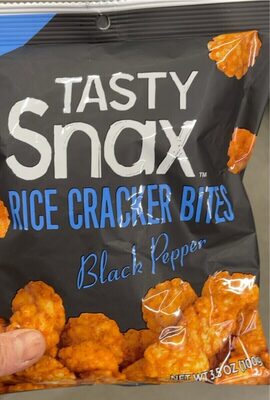 Cook-N-Throw, Inc.
Black Pepper Rice Cracker Bites, Black Pepper
High in saturated fat — 25% DV per serving
567kcal
3.3Protein
36.7Fat
56.7Carbs
Cook-N-Throw, Inc.
Japanese Style Rice Crackers
467kcal
3.3Protein
16.7Fat
76.7Carbs
Cook-N-Throw, Inc.
Black Pepper Rice Cracker Bites, Black Pepper
High in saturated fat — 25% DV per serving
567kcal
3.3Protein
36.7Fat
56.7Carbs
Cook-N-Throw, Inc.
Japanese Style Rice Crackers
467kcal
3.3Protein
16.7Fat
76.7Carbs