Kale Flakes
What is Kale Flakes?
Kale flakes are dried and crushed leaves of the kale plant, a member of the cabbage family. The kale is typically washed, dried, and then processed into small flakes. This form helps preserve its nutrients and flavor for use in various food products.
Is Kale Flakes vegan?
Kale Flakes is not animal-derived. Products that contain it can still include other animal-derived ingredients, so check the full ingredient list.
Is Kale Flakes gluten-free?
It does not contain gluten.
Is Kale Flakes a major allergen?
Kale is not one of the nine FDA major allergens.
What is Kale Flakes used for?
Kale flakes are used to add a nutritional boost and a mild, earthy flavor to foods.
Is Kale Flakes safe?
Kale is a nutrient-dense vegetable, rich in vitamins A, C, and K, as well as fiber.
Why it's used
Kale flakes are used to add a nutritional boost and a mild, earthy flavor to foods. They are often incorporated into snacks like chips, pretzels, and crackers, as well as in mixes for dishes like tacos or casseroles. Their dried form makes them easy to blend into dry mixes or sprinkle as a topping.
Health notes
Kale is a nutrient-dense vegetable, rich in vitamins A, C, and K, as well as fiber. Consuming kale flakes as part of a balanced diet can contribute to overall health due to these nutrients. The FDA considers kale to be Generally Recognized As Safe (GRAS) for consumption. International bodies like EFSA have also evaluated kale and its components. Evidence suggests that the nutrients in kale support various bodily functions.
Allergen info
Kale is not one of the nine FDA major allergens. It does not contain gluten.
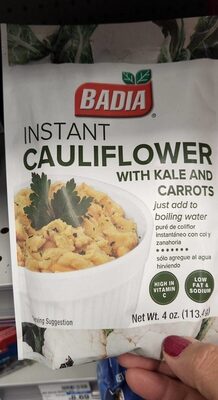
Foods that contain Kale Flakes
Compare products →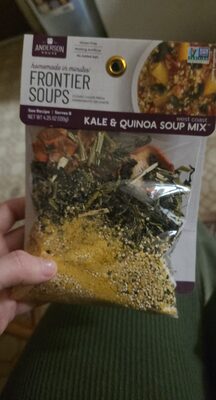
Auto-generated content. This description was generated automatically and is pending editorial review. Inaccuracies are possible. Found a mistake? Contact us.