Kefir Culture
Auto-generated content. This description was generated automatically and is pending editorial review. Inaccuracies are possible. Found a mistake? Contact us.
What it is
Kefir culture is a starter culture used to make kefir, a fermented milk drink. It is a symbiotic matrix of bacteria and yeasts, often in the form of small, white, gelatinous grains. These microorganisms ferment lactose in milk, producing lactic acid, carbon dioxide, and ethanol.
Why it's used
Manufacturers use kefir culture to ferment milk, creating probiotic-rich beverages with a tangy flavor and effervescent quality. It is most commonly found in fermented dairy products like kefir drinks, but can also be used in non-dairy fermented beverages and foods.
Health notes
Kefir and its culture are generally recognized as safe (GRAS) by the FDA for use in food. The fermentation process produces probiotics, which are live microorganisms thought to benefit gut health. JECFA has evaluated kefir and its components. Research into the specific health effects of probiotics is ongoing, with some studies suggesting benefits for digestion and immunity, while others show mixed results.
Allergen info
Kefir is typically made from cow's milk, making it a dairy product and thus derived from milk, one of the FDA's major allergens. It is not a source of gluten.
Products containing Kefir Culture
Compare products →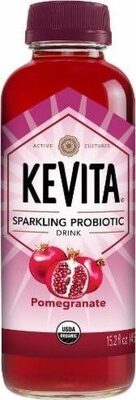 PEPSICO, INC
Pomegranate Sparkling Probiotic Drink, Pomegranate
10kcal
0Protein
0Fat
2.5Carbs
KEVITA
Ginseng Mandarin Apple Cider Vinegar Tonic
10kcal
0Protein
0Fat
2.1Carbs
PEPSICO, INC
Pomegranate Sparkling Probiotic Drink, Pomegranate
10kcal
0Protein
0Fat
2.5Carbs
KEVITA
Ginseng Mandarin Apple Cider Vinegar Tonic
10kcal
0Protein
0Fat
2.1Carbs
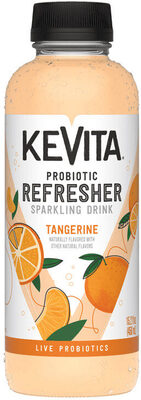 KeVita, Inc.
Tangerine Sparkling Probiotic Drink, Tangerine
6kcal
0Protein
0Fat
0.8Carbs
KeVita, Inc.
Tangerine Sparkling Probiotic Drink, Tangerine
6kcal
0Protein
0Fat
0.8Carbs
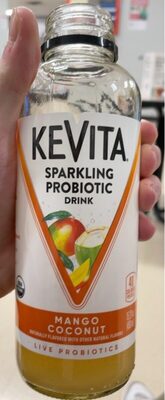 KeVita, Inc.
Mango Coconut Sparkling Probiotic Drink, Mango Coconut
8kcal
0Protein
0Fat
1.7Carbs
KeVita, Inc.
Mango Coconut Sparkling Probiotic Drink, Mango Coconut
8kcal
0Protein
0Fat
1.7Carbs
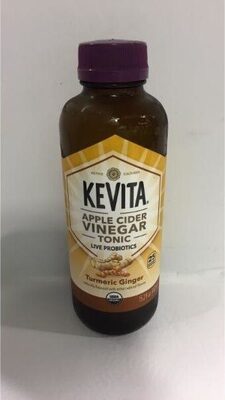 KeVita, Inc.
Turmeric Ginger Live Probiotics Apple Cider Vinegar Tonic, Turmeric Ginger
10kcal
0Protein
0Fat
2.1Carbs
KeVita, Inc.
Blueberry Cherry Sparkling Probiotic Drink, Blueberry Cherry
10kcal
0Protein
0Fat
2.1Carbs
KeVita, Inc.
Turmeric Ginger Live Probiotics Apple Cider Vinegar Tonic, Turmeric Ginger
10kcal
0Protein
0Fat
2.1Carbs
KeVita, Inc.
Blueberry Cherry Sparkling Probiotic Drink, Blueberry Cherry
10kcal
0Protein
0Fat
2.1Carbs
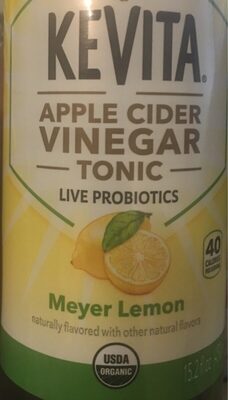 KeVita, Inc.
Meyer Lemon Live Probiotics Apple Cider Vinegar Tonic, Meyer Lemon
10kcal
0Protein
0Fat
2.1Carbs
Culture Club LLC
Organic Hibiscus Cooler Sparkling Probiotic Drink, Hibiscus Cooler
8kcal
0Protein
0Fat
2.1Carbs
Culture Club LLC
Organic Berry Lavender Sparkling Probiotic Drink, Berry Lavender
12kcal
0Protein
0Fat
2.9Carbs
KeVita, Inc.
Meyer Lemon Live Probiotics Apple Cider Vinegar Tonic, Meyer Lemon
10kcal
0Protein
0Fat
2.1Carbs
Culture Club LLC
Organic Hibiscus Cooler Sparkling Probiotic Drink, Hibiscus Cooler
8kcal
0Protein
0Fat
2.1Carbs
Culture Club LLC
Organic Berry Lavender Sparkling Probiotic Drink, Berry Lavender
12kcal
0Protein
0Fat
2.9Carbs
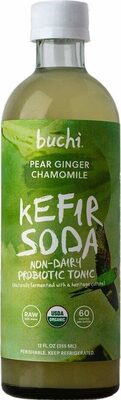 Asheville Kombucha Mamas, LLC
Pear Ginger Chamomile Kefir Soda, Pear Ginger Chamomile
17kcal
0.3Protein
0Fat
4.2Carbs
Asheville Kombucha Mamas, LLC
Pear Ginger Chamomile Kefir Soda, Pear Ginger Chamomile
17kcal
0.3Protein
0Fat
4.2Carbs
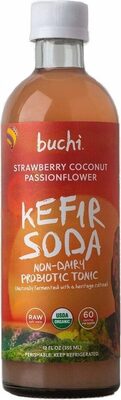 Asheville Kombucha Mamas, LLC
Strawberry Coconut Passionflower Kefir Soda Non-Dairy Probiotic Tonic, Strawberry Coconut Passionflower
17kcal
0.3Protein
0Fat
3.7Carbs
Asheville Kombucha Mamas, LLC
Strawberry Coconut Passionflower Kefir Soda Non-Dairy Probiotic Tonic, Strawberry Coconut Passionflower
17kcal
0.3Protein
0Fat
3.7Carbs