King Crab
What is King Crab?
King crab is a type of large crab, most famously the red king crab (Paralithodes camtschaticus). It is native to the cold, deep waters of the Pacific and Atlantic Oceans. The crab is typically caught and then processed, often by freezing or canning the meat.
Is King Crab vegan?
No. King Crab is animal-derived, so it is not vegan.
Is King Crab a major allergen?
King crab is a type of shellfish, which is one of the 9 FDA major allergens.
What is King Crab used for?
King crab meat is prized for its sweet flavor and tender texture.
Is King Crab safe?
King crab is a natural food source and is not typically subject to FDA additive regulations.
Why it's used
King crab meat is prized for its sweet flavor and tender texture. It is often sold fresh, frozen, or canned, and used in dishes like crab cakes, seafood salads, and as a luxurious topping for pasta or rice.
Health notes
King crab is a natural food source and is not typically subject to FDA additive regulations. It is a good source of protein, omega-3 fatty acids, and minerals like zinc and selenium. Regulatory bodies like EFSA have not specifically evaluated king crab as a food additive. As with any seafood, consumption should be moderate, especially for individuals with health concerns.
Allergen info
King crab is a type of shellfish, which is one of the 9 FDA major allergens. People with shellfish allergies should avoid consuming king crab.
Foods that contain King Crab
Compare products →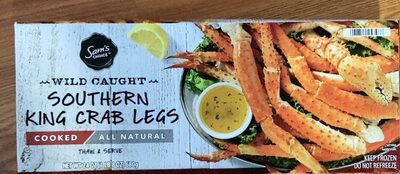
Learn more
Auto-generated content. This description was generated automatically and is pending editorial review. Inaccuracies are possible. Found a mistake? Contact us.