Koji Starter
Auto-generated content. This description was generated automatically and is pending editorial review. Inaccuracies are possible. Found a mistake? Contact us.
What it is
Koji starter is a culture of beneficial microorganisms, primarily the mold *Aspergillus oryzae*. It is grown on a substrate like rice, barley, or soybeans. This process is fundamental in the production of many traditional Asian fermented foods.
Why it's used
Koji starter is used to break down starches and proteins in food, creating complex flavors and aromas. It acts as a natural flavor enhancer and tenderizer, adding umami and sweetness. It is commonly found in soy sauce, miso, sake, and various marinades and sauces.
Health notes
Koji starter is generally recognized as safe (GRAS) by the FDA for use in food. The microorganisms in koji are considered beneficial for digestion and nutrient absorption by some, though scientific consensus on specific health benefits at typical intake levels is still developing. JECFA has evaluated *Aspergillus oryzae* fermentation products and has not set a numeric limit (ADI not specified).
Allergen info
Koji starter itself is not a major allergen. However, if it is grown on a substrate like wheat or soy, the final product may contain allergens or gluten from that substrate. Always check product labels for specific allergen information.
Products containing Koji Starter
Compare products →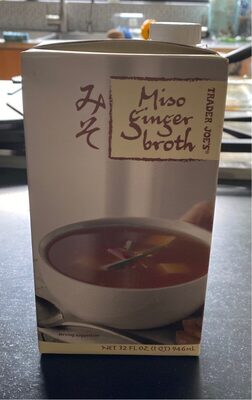 TRADER JOE'S
Broth, Miso Ginger
High in sodium — 28% DV per serving
6kcal
0.4Protein
0Fat
0.8Carbs
TRADER JOE'S
Broth, Miso Ginger
High in sodium — 28% DV per serving
6kcal
0.4Protein
0Fat
0.8Carbs
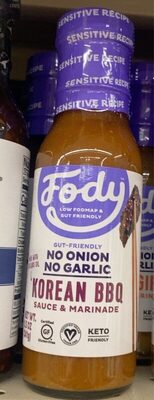 FODY
Korean BBQ Sauce & Marinade, Korean BBQ
78kcal
3.1Protein
3.1Fat
9.4Carbs
Hy-Vee, Inc.
Steamable Asian Vegetables Broccoli, Sugar Snap Peas, Carrots, Yellow Carrots, Edamame & Red Peppers In A Premium Citrus Sauce, Asian Vegetables In A Premium Citrus Sauce
71kcal
3.1Protein
1.0Fat
11.2Carbs
Kingston Marketing Co
Miso Broth, Miso
High in sodium — 39% DV per serving
8kcal
0.4Protein
0.2Fat
1.2Carbs
Ahold USA, Inc.
Asian Style Chicken Salad
High in sodium — 26% DV per serving
119kcal
7.3Protein
6.2Fat
7.9Carbs
Genji, Inc.
Mai, Ginger Misco Dressing, Marinade & Cooking Sauce, Marinade & Cooking Sauce
467kcal
3.3Protein
50Fat
6.7Carbs
Genji, Inc.
Mai, Miso Dressing Marinade & Cooking Sauce, Spicy Ginger, Spicy Ginger
467kcal
3.3Protein
50Fat
6.7Carbs
Fingerprint America
Alaskan Salmon, Miso Glazed
High in sodium — 26% DV per serving
85kcal
6.0Protein
1.6Fat
9.9Carbs
Nestle USA Inc.
Chinese Style BBQ Sauce, Char Siu
114kcal
2.9Protein
4.3Fat
14.3Carbs
Ahold USA, Inc.
White Corn, Red Peppers & Edamame In A Coconut Miso Sauce
88kcal
3.5Protein
1.3Fat
16.8Carbs
FishPeople, Inc
Teriyaki Ginger Keta Salmon
High in sodium — 22% DV per serving
High in cholesterol — 33% DV per serving
129kcal
16.5Protein
3.5Fat
7.1Carbs
Nestle Usa-Frozen Food Division
Gochujang Cauliflower, Roasted Radishes, Broccolini & Carrots, Red Quinoa & Chickpeas, Riced Cauliflower With Chopped Cashews, Spicy
High in sodium — 41% DV per serving
123kcal
3.4Protein
3.4Fat
19.6Carbs
FODY
Korean BBQ Sauce & Marinade, Korean BBQ
78kcal
3.1Protein
3.1Fat
9.4Carbs
Hy-Vee, Inc.
Steamable Asian Vegetables Broccoli, Sugar Snap Peas, Carrots, Yellow Carrots, Edamame & Red Peppers In A Premium Citrus Sauce, Asian Vegetables In A Premium Citrus Sauce
71kcal
3.1Protein
1.0Fat
11.2Carbs
Kingston Marketing Co
Miso Broth, Miso
High in sodium — 39% DV per serving
8kcal
0.4Protein
0.2Fat
1.2Carbs
Ahold USA, Inc.
Asian Style Chicken Salad
High in sodium — 26% DV per serving
119kcal
7.3Protein
6.2Fat
7.9Carbs
Genji, Inc.
Mai, Ginger Misco Dressing, Marinade & Cooking Sauce, Marinade & Cooking Sauce
467kcal
3.3Protein
50Fat
6.7Carbs
Genji, Inc.
Mai, Miso Dressing Marinade & Cooking Sauce, Spicy Ginger, Spicy Ginger
467kcal
3.3Protein
50Fat
6.7Carbs
Fingerprint America
Alaskan Salmon, Miso Glazed
High in sodium — 26% DV per serving
85kcal
6.0Protein
1.6Fat
9.9Carbs
Nestle USA Inc.
Chinese Style BBQ Sauce, Char Siu
114kcal
2.9Protein
4.3Fat
14.3Carbs
Ahold USA, Inc.
White Corn, Red Peppers & Edamame In A Coconut Miso Sauce
88kcal
3.5Protein
1.3Fat
16.8Carbs
FishPeople, Inc
Teriyaki Ginger Keta Salmon
High in sodium — 22% DV per serving
High in cholesterol — 33% DV per serving
129kcal
16.5Protein
3.5Fat
7.1Carbs
Nestle Usa-Frozen Food Division
Gochujang Cauliflower, Roasted Radishes, Broccolini & Carrots, Red Quinoa & Chickpeas, Riced Cauliflower With Chopped Cashews, Spicy
High in sodium — 41% DV per serving
123kcal
3.4Protein
3.4Fat
19.6Carbs