Aspergillus Oryzae
What is Aspergillus Oryzae?
Aspergillus oryzae is a type of fungus, often called koji. It is widely used in East Asian food production, particularly for fermenting grains like rice and soybeans. This process breaks down starches and proteins, creating unique flavors and aromas.
Is Aspergillus Oryzae vegan?
Aspergillus Oryzae is not animal-derived. Products that contain it can still include other animal-derived ingredients, so check the full ingredient list.
Is Aspergillus Oryzae gluten-free?
It does not contain gluten.
Is Aspergillus Oryzae a major allergen?
Aspergillus oryzae is a fungus and not derived from any of the nine FDA major allergens.
What is Aspergillus Oryzae used for?
Manufacturers use Aspergillus oryzae to produce fermented foods like soy sauce, miso, and sake.
Is Aspergillus Oryzae safe?
In the United States, Aspergillus oryzae is generally recognized as safe (GRAS) by the FDA for use in food.
Why it's used
Manufacturers use Aspergillus oryzae to produce fermented foods like soy sauce, miso, and sake. It acts as a crucial enzyme source during fermentation, contributing to the characteristic savory (umami) taste and texture of these products. It is also used in some meat tenderizers.
Health notes
In the United States, Aspergillus oryzae is generally recognized as safe (GRAS) by the FDA for use in food. It is a key component in many traditional fermented foods consumed worldwide. International bodies like JECFA have evaluated its safety in the context of fermented products. There are no widespread health controversies associated with its typical consumption.
Allergen info
Aspergillus oryzae is a fungus and not derived from any of the nine FDA major allergens. It does not contain gluten.
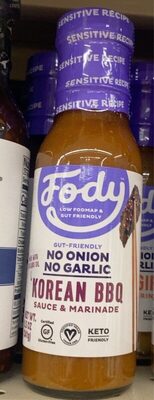
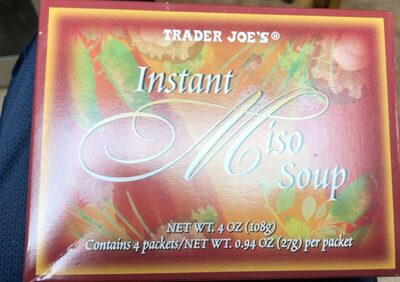
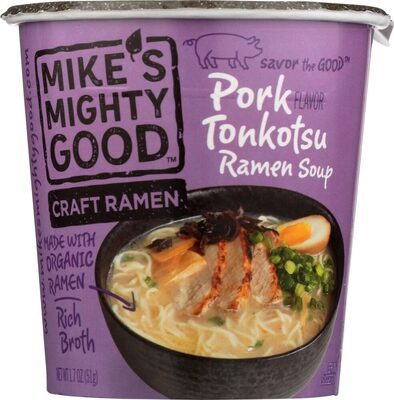
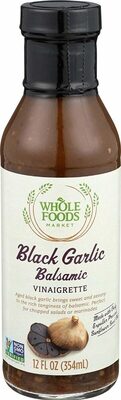
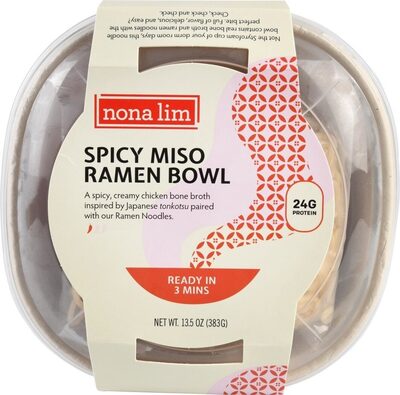
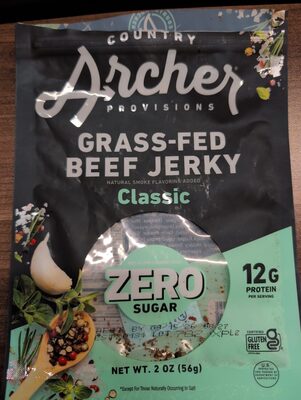
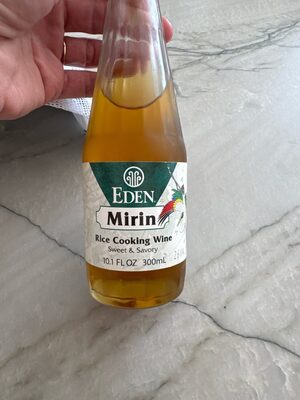
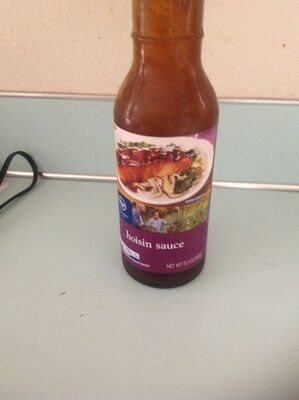
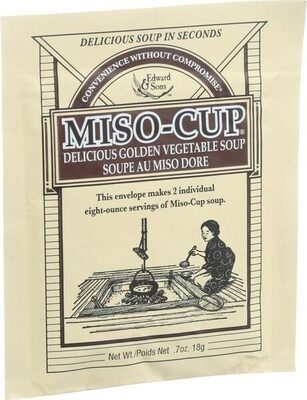
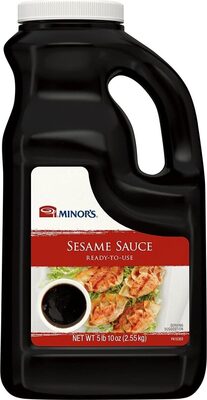
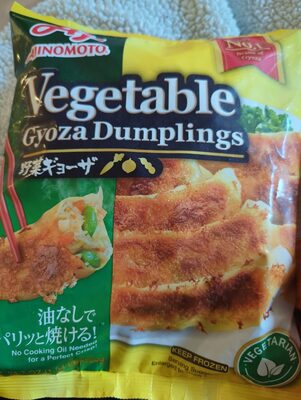
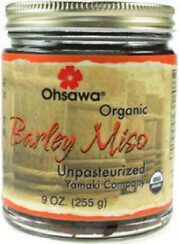
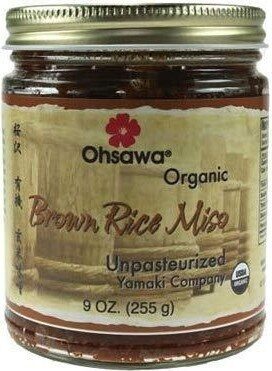
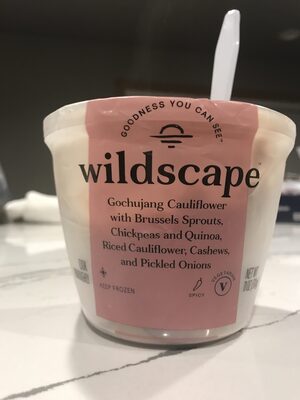
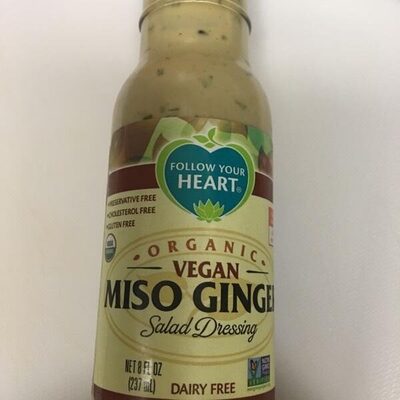
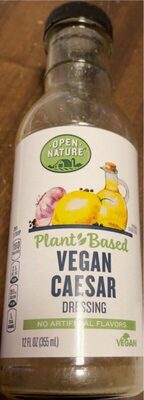
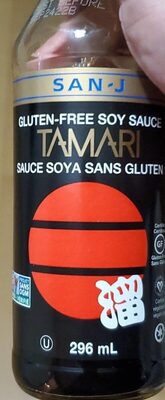
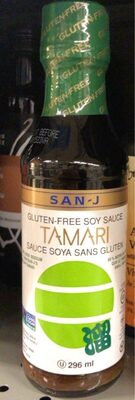
Foods that contain Aspergillus Oryzae
Compare products →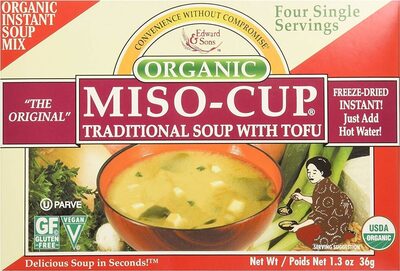

Auto-generated content. This description was generated automatically and is pending editorial review. Inaccuracies are possible. Found a mistake? Contact us.