Kosher Beef
What is Kosher Beef?
Kosher beef is beef that has been processed according to the dietary laws of Judaism, known as kashrut. This involves specific methods of slaughter, inspection, and salting to remove blood. The process ensures the meat is prepared according to Jewish religious standards.
Is Kosher Beef vegan?
No. Kosher Beef is animal-derived, so it is not vegan.
Is Kosher Beef gluten-free?
It does not contain gluten.
Is Kosher Beef a major allergen?
Beef is not one of the nine major allergens identified by the FDA.
What is Kosher Beef used for?
Kosher beef is used in a variety of meat products, particularly those marketed to consumers seeking kosher-certified foods.
Is Kosher Beef safe?
Beef is a source of protein, iron, and B vitamins.
Why it's used
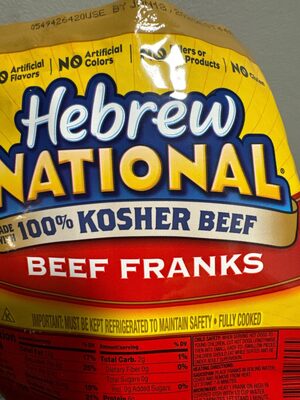
Kosher beef is used in a variety of meat products, particularly those marketed to consumers seeking kosher-certified foods. It is commonly found in sausages, hot dogs, frankfurters, and other processed beef items. Manufacturers use it as a primary protein source in these products.
Health notes
Beef is a source of protein, iron, and B vitamins. The U.S. Food and Drug Administration (FDA) regulates the safety of meat products through the USDA. Dietary guidelines recommend limiting saturated fat intake, which is present in beef. Organizations like the World Health Organization (WHO) have evaluated red meat consumption and its potential links to certain health outcomes, with ongoing research and discussion in the scientific community.
Allergen info
Beef is not one of the nine major allergens identified by the FDA. It does not contain gluten.
Foods that contain Kosher Beef
Compare products →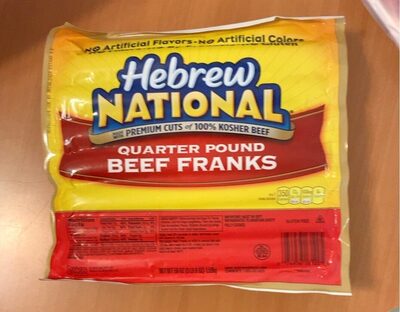

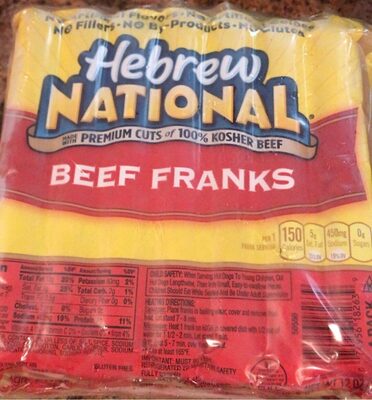


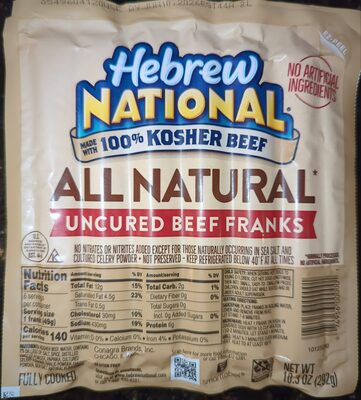
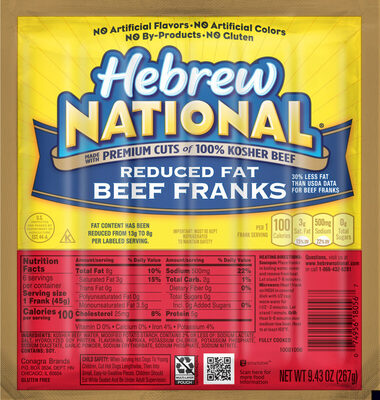
Learn more
Auto-generated content. This description was generated automatically and is pending editorial review. Inaccuracies are possible. Found a mistake? Contact us.