Kosher Enzymes
What is Kosher Enzymes?
Enzymes are proteins that help speed up chemical reactions. "Kosher enzymes" are enzymes produced in a way that meets the requirements of Jewish dietary law (kashrut). This typically means they are made without non-kosher ingredients and processed under rabbinical supervision.
Is Kosher Enzymes a major allergen?
Enzymes themselves are not typically major allergens.
What is Kosher Enzymes used for?
Manufacturers use enzymes in food production for various functions, such as improving texture, aiding in flavor development, or assisting in processing.
Is Kosher Enzymes safe?
Enzymes used in food are generally considered safe and are broken down during digestion like other proteins.
Why it's used
Manufacturers use enzymes in food production for various functions, such as improving texture, aiding in flavor development, or assisting in processing. They are often found in dairy products like cheese and butter, as well as in baked goods and other processed foods.
Health notes
Enzymes used in food are generally considered safe and are broken down during digestion like other proteins. The FDA lists many enzymes as Generally Recognized As Safe (GRAS). International bodies like JECFA have evaluated enzymes, and their use is widespread globally. There are no widespread health controversies associated with the typical consumption of food enzymes.
Allergen info
Enzymes themselves are not typically major allergens. However, the source material used to produce the enzymes could potentially be derived from major allergens like milk, soy, or wheat. Manufacturers should be consulted for specific product allergen information.
Foods that contain Kosher Enzymes
Compare products →
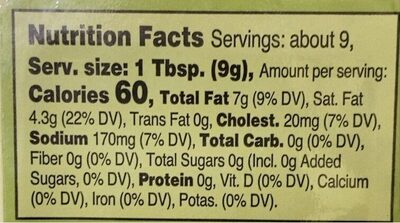





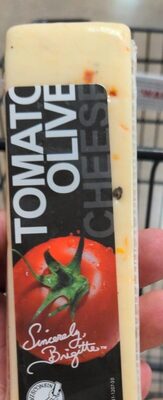
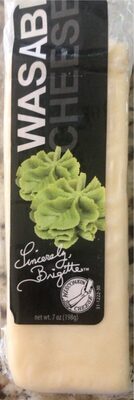
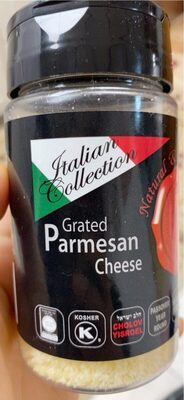


Auto-generated content. This description was generated automatically and is pending editorial review. Inaccuracies are possible. Found a mistake? Contact us.