Kosher Fish Gelatin
What is Kosher Fish Gelatin?
Kosher fish gelatin is a protein derived from the skin and bones of fish, processed to meet kosher dietary laws. It is a form of gelatin, which is produced by boiling animal connective tissues. The kosher certification ensures it was prepared according to specific Jewish dietary guidelines.
Is Kosher Fish Gelatin vegan?
No. Kosher Fish Gelatin is animal-derived, so it is not vegan.
Is Kosher Fish Gelatin gluten-free?
It does not contain gluten.
Is Kosher Fish Gelatin a major allergen?
Fish gelatin is derived from fish, which is one of the nine major allergens recognized by the FDA.
What is Kosher Fish Gelatin used for?
Manufacturers use fish gelatin as a gelling agent, stabilizer, and thickener.
Is Kosher Fish Gelatin safe?
Gelatin is generally recognized as safe (GRAS) by the FDA for food use.
Why it's used
Manufacturers use fish gelatin as a gelling agent, stabilizer, and thickener. It is commonly found in desserts like gummies, marshmallows, and puddings, as well as in some dairy products and capsules for supplements.
Health notes
Gelatin is generally recognized as safe (GRAS) by the FDA for food use. It is a source of protein and amino acids. International bodies like JECFA have evaluated gelatin and established acceptable daily intake levels. While generally considered safe, some individuals may experience mild digestive upset.
Allergen info
Fish gelatin is derived from fish, which is one of the nine major allergens recognized by the FDA. It does not contain gluten.
Foods that contain Kosher Fish Gelatin
Compare products →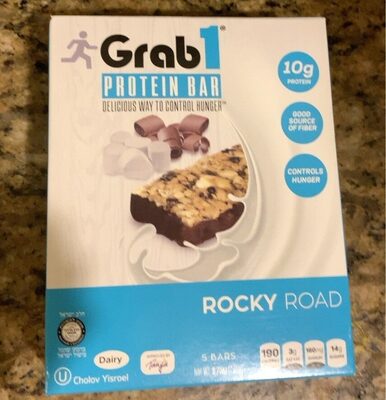
Learn more
Auto-generated content. This description was generated automatically and is pending editorial review. Inaccuracies are possible. Found a mistake? Contact us.