L-alpha Glycerylphosphorylcholine
What is L-alpha Glycerylphosphorylcholine?
L-alpha Glycerylphosphorylcholine, also known as Alpha-GPC, is a compound naturally found in the brain and in some foods like eggs and soy. It is typically produced commercially through chemical synthesis or extraction from soy lecithin.
Is L-alpha Glycerylphosphorylcholine gluten-free?
It does not contain gluten.
Is L-alpha Glycerylphosphorylcholine a major allergen?
Alpha-GPC is not derived from any of the nine FDA major allergens.
What is L-alpha Glycerylphosphorylcholine used for?
Alpha-GPC is often added to beverages and supplements marketed for cognitive support.
Is L-alpha Glycerylphosphorylcholine safe?
In the United States, Alpha-GPC is generally recognized as safe (GRAS) for use in certain food categories.
Why it's used
Alpha-GPC is often added to beverages and supplements marketed for cognitive support. Manufacturers use it as a functional ingredient, believing it may support brain health and memory function.
Health notes
In the United States, Alpha-GPC is generally recognized as safe (GRAS) for use in certain food categories. Regulatory bodies like the European Food Safety Authority (EFSA) have evaluated its safety, but specific intake limits are not always set. Research into its effects is ongoing, with some studies suggesting potential benefits for cognitive function, while others show mixed results.
Allergen info
Alpha-GPC is not derived from any of the nine FDA major allergens. It does not contain gluten.
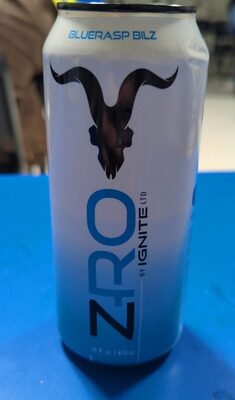
Foods that contain L-alpha Glycerylphosphorylcholine
Compare products →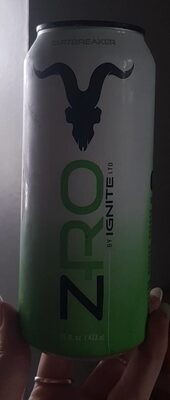

Learn more
Auto-generated content. This description was generated automatically and is pending editorial review. Inaccuracies are possible. Found a mistake? Contact us.