Lactic Ferments
What is Lactic Ferments?
Lactic ferments are live microorganisms, typically bacteria, that are used to ferment foods. They convert sugars into lactic acid, which gives many fermented foods their characteristic tangy flavor and helps preserve them. Common examples include Lactobacillus and Bifidobacterium species.
Is Lactic Ferments gluten-free?
They do not contain gluten.
Is Lactic Ferments a major allergen?
Lactic ferments themselves are not derived from the nine major allergens.
What is Lactic Ferments used for?
Manufacturers use lactic ferments to develop the unique flavors and textures of fermented foods like cheese, yogurt, and sauerkraut.
Is Lactic Ferments safe?
Lactic ferments are widely recognized as safe (GRAS) by the FDA for use in food.
Why it's used
Manufacturers use lactic ferments to develop the unique flavors and textures of fermented foods like cheese, yogurt, and sauerkraut. They also act as natural preservatives by lowering the pH, which inhibits the growth of spoilage microorganisms. They are frequently found in dairy products, fermented vegetables, and some baked goods.
Health notes
Lactic ferments are widely recognized as safe (GRAS) by the FDA for use in food. They are often consumed as part of probiotic foods, which some research suggests may support gut health. International bodies like JECFA have evaluated lactic ferments and their products. Evidence on specific health benefits is ongoing and varies depending on the strain and food matrix.
Allergen info
Lactic ferments themselves are not derived from the nine major allergens. However, they are often found in dairy products, which are a major allergen. They do not contain gluten.
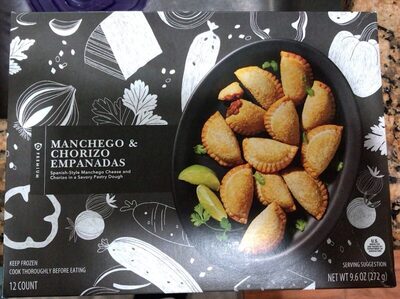
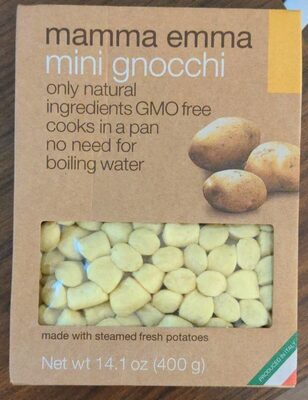
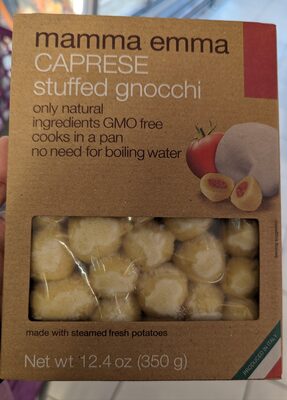
Foods that contain Lactic Ferments
Compare products →
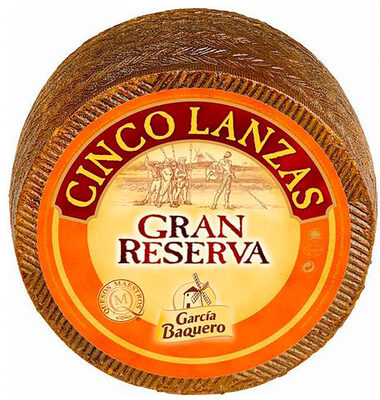

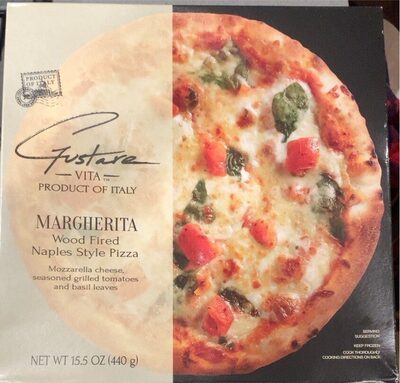

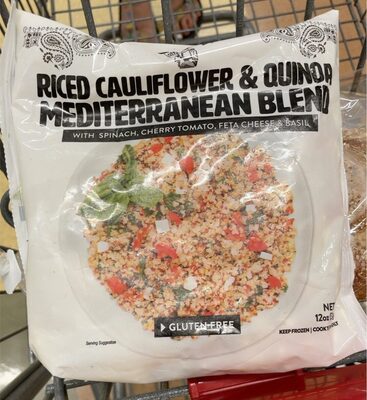
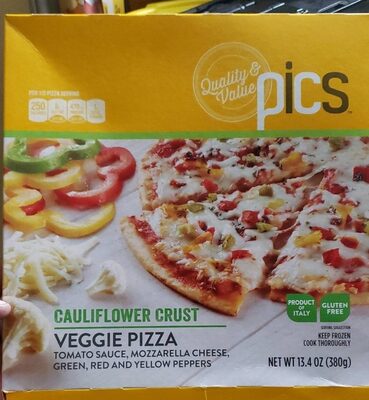










Auto-generated content. This description was generated automatically and is pending editorial review. Inaccuracies are possible. Found a mistake? Contact us.