Lake
What is Lake?
Lakes are color additives made by combining a water-soluble dye with an inorganic salt, such as aluminum lake or calcium lake. This process makes the dye insoluble, allowing it to be used in foods that contain fats or oils, or that lack sufficient moisture to dissolve a water-soluble dye. Lakes provide vibrant colors to a wide range of food products.
Is Lake a major allergen?
Lakes themselves are not derived from major allergens.
What is Lake used for?
Lakes are used to add or restore color to foods, making them more visually appealing.
Is Lake safe?
In the US, lakes are approved by the FDA as color additives.
Why it's used
Lakes are used to add or restore color to foods, making them more visually appealing. They are commonly found in products like baked goods, candies, chewing gum, and decorative toppings where their insolubility is beneficial. Manufacturers use them to achieve specific shades and ensure consistent color throughout the product.
Health notes
In the US, lakes are approved by the FDA as color additives. The FDA has evaluated their safety for use in food. International bodies like JECFA have also evaluated lakes. While generally recognized as safe at typical consumption levels, some synthetic dyes used to create lakes have faced scrutiny regarding potential effects in sensitive individuals, though evidence is mixed and often debated.
Allergen info
Lakes themselves are not derived from major allergens. However, the specific water-soluble dye used to create the lake must be checked, as some dyes may have been manufactured using processes involving allergens.
Foods that contain Lake
Compare products →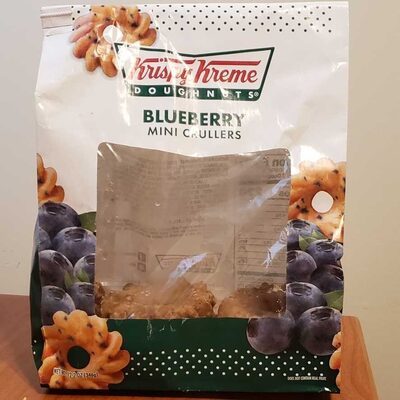
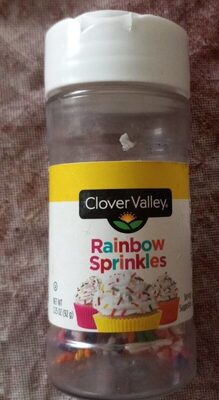



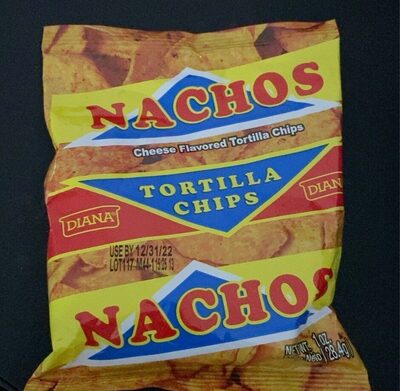

Learn more
Auto-generated content. This description was generated automatically and is pending editorial review. Inaccuracies are possible. Found a mistake? Contact us.