Leavening Agents
Auto-generated content. This description was generated automatically and is pending editorial review. Inaccuracies are possible. Found a mistake? Contact us.
What it is
Leavening agents are substances that cause doughs and batters to rise, creating a lighter and softer texture. They can be chemical, such as baking soda or baking powder, or biological, like yeast. Chemical leaveners produce carbon dioxide gas when mixed with liquid and/or heat, while yeast consumes sugars and produces carbon dioxide and alcohol.
Why it's used
Manufacturers add leavening agents to baked goods like bread, cakes, cookies, and muffins to make them expand and become fluffy. They are essential for achieving the desired airy structure and texture in a wide variety of bakery products. Common examples include baking soda, baking powder, and yeast.
Health notes
Leavening agents like baking soda and baking powder are generally recognized as safe (GRAS) by the FDA when used as intended. Yeast is a common food ingredient with no specific regulatory concerns. International bodies like JECFA have evaluated various leavening agents. At typical dietary levels, they are not associated with adverse health effects.
Allergen info
Leavening agents themselves are not typically major allergens. However, some yeast-based products or leavening agents derived from grains might be a concern for individuals with specific sensitivities or allergies to those source ingredients. Not a major allergen.
Products containing Leavening Agents
Compare products →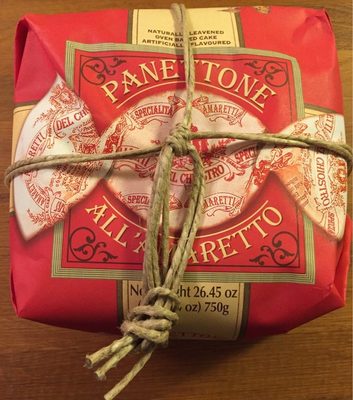 CHIOSTRO DI SARONNO
Panettone All' Amaretto
High in saturated fat — 45% DV per serving
High in cholesterol — 22% DV per serving
410kcal
12.1Protein
16.9Fat
49.4Carbs
CHIOSTRO DI SARONNO
Panettone All' Amaretto
High in saturated fat — 45% DV per serving
High in cholesterol — 22% DV per serving
410kcal
12.1Protein
16.9Fat
49.4Carbs