Less Than 1% Oil Treated
What is Less Than 1% Oil Treated?
This refers to a very small amount of oil, typically less than 1% of the product's weight, that is added to certain foods. The oil is usually treated to prevent it from going rancid and to help keep the food product from sticking together. It's often used on dried fruits like raisins.
Is Less Than 1% Oil Treated vegan?
Less Than 1% Oil Treated is not animal-derived. Products that contain it can still include other animal-derived ingredients, so check the full ingredient list.
Is Less Than 1% Oil Treated gluten-free?
Gluten is not present.
Is Less Than 1% Oil Treated a major allergen?
The specific oil used is not typically a major allergen.
What is Less Than 1% Oil Treated used for?
Manufacturers add a small amount of oil to dried fruits to prevent clumping and maintain a softer texture.
Is Less Than 1% Oil Treated safe?
The FDA considers the use of small amounts of food-grade oils in this manner to be Generally Recognized As Safe (GRAS).
Why it's used
Manufacturers add a small amount of oil to dried fruits to prevent clumping and maintain a softer texture. This helps the product flow freely and look more appealing. It is most commonly found in raisins and other dried fruits.
Health notes
The FDA considers the use of small amounts of food-grade oils in this manner to be Generally Recognized As Safe (GRAS). These oils are typically refined vegetable oils. Regulatory bodies like JECFA have evaluated similar food-grade oils. At the very low levels used, they are not expected to have significant health effects.
Allergen info
The specific oil used is not typically a major allergen. However, if a specific oil like soybean oil is used, it would be derived from a major allergen. Gluten is not present.
Foods that contain Less Than 1% Oil Treated
Compare products →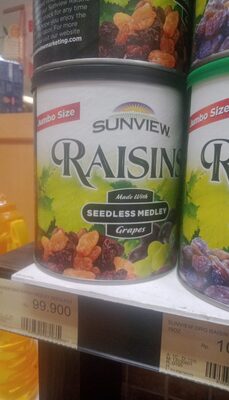 Sunview Marketing International
Raisins
325kcal
2.5Protein
0Fat
77.5Carbs
Sunview Marketing International
Raisins
325kcal
2.5Protein
0Fat
77.5Carbs
 Sunview Marketing International
Raisins
325kcal
2.5Protein
0Fat
77.5Carbs
Sunview Marketing International
Raisins
325kcal
2.5Protein
0Fat
77.5Carbs
Sunview Marketing International
Raisins Made With Golden Seedless Grapes
325kcal
2.5Protein
0Fat
77.5Carbs
Sunview Marketing International
Black Seedless Raisins
325kcal
2.5Protein
0Fat
77.5Carbs
Sunview Marketing International
Raisins
325kcal
2.5Protein
0Fat
77.5Carbs
Sunview Marketing International
Raisins
325kcal
2.5Protein
0Fat
77.5Carbs
Sunview Marketing International
Raisins Made With Golden Seedless Grapes
325kcal
2.5Protein
0Fat
77.5Carbs
Sunview Marketing International
Black Seedless Raisins
325kcal
2.5Protein
0Fat
77.5Carbs
Learn more
Auto-generated content. This description was generated automatically and is pending editorial review. Inaccuracies are possible. Found a mistake? Contact us.