Less Than 2% Lactic Acid
What is Less Than 2% Lactic Acid?
Lactic acid is an organic acid naturally found in the body and in foods like yogurt and cheese. It is produced commercially through the fermentation of carbohydrates, such as corn starch or beet sugar, by specific bacteria. It has a mild, sour taste.
Is Less Than 2% Lactic Acid gluten-free?
It is also gluten-free.
Is Less Than 2% Lactic Acid a major allergen?
Lactic acid is not derived from any of the nine major allergens.
What is Less Than 2% Lactic Acid used for?
Manufacturers add lactic acid to foods as an acidity regulator, preservative, and flavor enhancer.
Is Less Than 2% Lactic Acid safe?
Lactic acid is recognized as safe (GRAS) by the U.S. Food and Drug Administration (FDA) for use in food.
Why it's used
Manufacturers add lactic acid to foods as an acidity regulator, preservative, and flavor enhancer. It helps control pH, which can extend shelf life and improve texture. It is commonly found in dairy products, baked goods, candies, and pickled vegetables.
Health notes
Lactic acid is recognized as safe (GRAS) by the U.S. Food and Drug Administration (FDA) for use in food. It is a normal product of metabolism in the human body. International bodies like JECFA and EFSA have evaluated lactic acid and its salts, and have established acceptable daily intakes. Evidence does not suggest adverse health effects from typical dietary intake.
Allergen info
Lactic acid is not derived from any of the nine major allergens. It is also gluten-free.
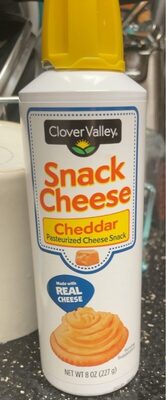
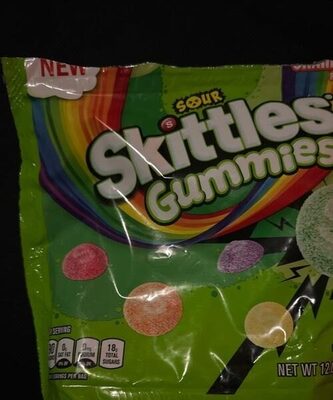
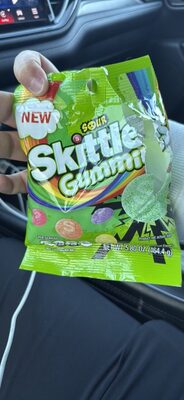
Foods that contain Less Than 2% Lactic Acid
Compare products →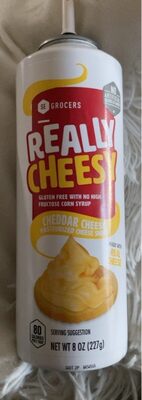
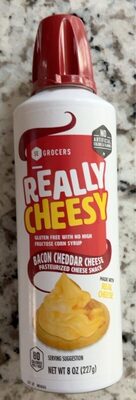
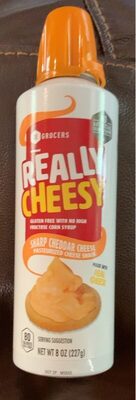
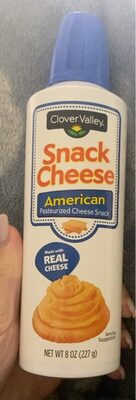
Auto-generated content. This description was generated automatically and is pending editorial review. Inaccuracies are possible. Found a mistake? Contact us.