Less Than 2% - Lactose
What is Less Than 2% - Lactose?
Lactose is a sugar found naturally in milk and dairy products. It is composed of two simpler sugars: glucose and galactose. In food production, it is typically isolated from milk or whey.
Is Less Than 2% - Lactose vegan?
No. Less Than 2% - Lactose is animal-derived, so it is not vegan.
Is Less Than 2% - Lactose gluten-free?
It does not contain gluten.
Is Less Than 2% - Lactose a major allergen?
Lactose is derived from milk, which is one of the FDA's 9 major food allergens.
What is Less Than 2% - Lactose used for?
Manufacturers add lactose as a sweetener, bulking agent, and to improve texture and browning in baked goods.
Is Less Than 2% - Lactose safe?
Lactose is generally recognized as safe (GRAS) by the FDA for use in food.
Why it's used
Manufacturers add lactose as a sweetener, bulking agent, and to improve texture and browning in baked goods. It is commonly found in confectionery, baked goods, dairy products, and processed foods.
Health notes
Lactose is generally recognized as safe (GRAS) by the FDA for use in food. For most people, consuming lactose does not pose health risks. However, many individuals experience lactose intolerance, leading to digestive discomfort. Regulatory bodies like JECFA and EFSA have evaluated lactose, and it is widely consumed globally.
Allergen info
Lactose is derived from milk, which is one of the FDA's 9 major food allergens. It does not contain gluten.
Foods that contain Less Than 2% - Lactose
Compare products →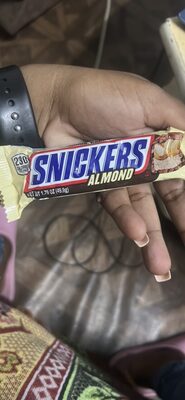
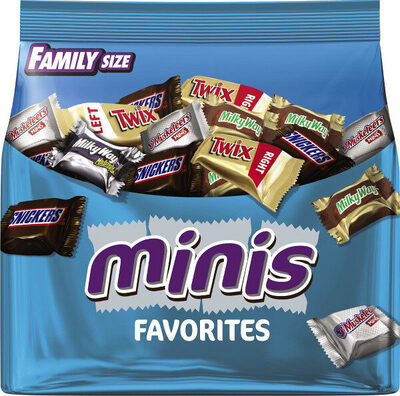
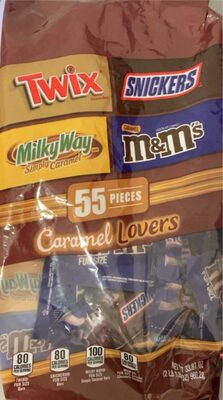
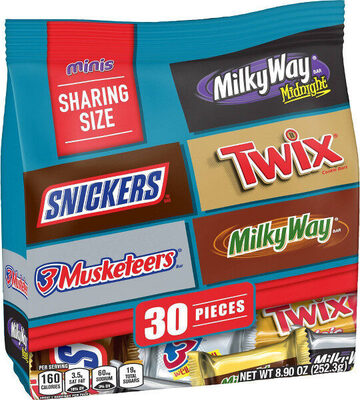
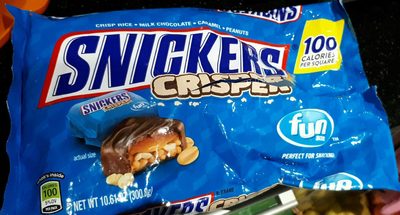
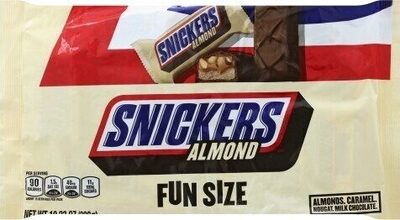 Snickers
Almond Bar, Almond
High in added sugars — 20% DV per serving
450kcal
5Protein
20Fat
65Carbs
Learn more
Auto-generated content. This description was generated automatically and is pending editorial review. Inaccuracies are possible. Found a mistake? Contact us.