Less Than 2 Percent Of Hydrolyzed Soy Protein
What is Less Than 2 Percent Of Hydrolyzed Soy Protein?
Hydrolyzed soy protein is made by breaking down soy protein into smaller pieces called amino acids. This process uses enzymes or acids to change the protein's structure and flavor.
Is Less Than 2 Percent Of Hydrolyzed Soy Protein vegan?
Less Than 2 Percent Of Hydrolyzed Soy Protein is not animal-derived. Products that contain it can still include other animal-derived ingredients, so check the full ingredient list.
Is Less Than 2 Percent Of Hydrolyzed Soy Protein a major allergen?
Soy is one of the nine major allergens recognized by the FDA.
What is Less Than 2 Percent Of Hydrolyzed Soy Protein used for?
Manufacturers add hydrolyzed soy protein to foods to enhance or add a savory, "umami" flavor, often described as meaty or brothy.
Is Less Than 2 Percent Of Hydrolyzed Soy Protein safe?
In the U.S., hydrolyzed soy protein is generally recognized as safe (GRAS) by the FDA when used as intended.
Why it's used
Manufacturers add hydrolyzed soy protein to foods to enhance or add a savory, "umami" flavor, often described as meaty or brothy. It is commonly found in seasonings, broths, sauces, and processed meat products.
Health notes
In the U.S., hydrolyzed soy protein is generally recognized as safe (GRAS) by the FDA when used as intended. Regulatory bodies like the Joint FAO/WHO Expert Committee on Food Additives (JECFA) have evaluated it. While generally considered safe, some individuals may be sensitive to soy products.
Allergen info
Soy is one of the nine major allergens recognized by the FDA. Individuals with a soy allergy should avoid products containing hydrolyzed soy protein.
Foods that contain Less Than 2 Percent Of Hydrolyzed Soy Protein
Compare products →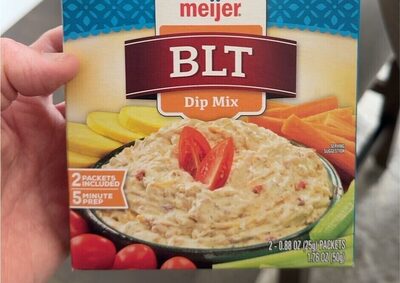
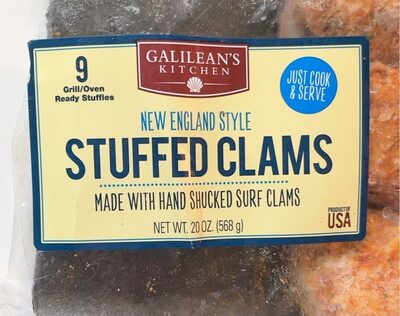
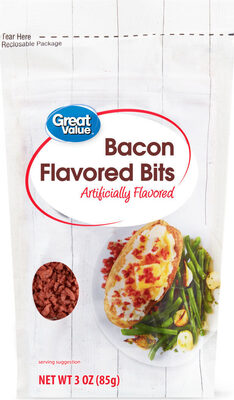
Learn more
Auto-generated content. This description was generated automatically and is pending editorial review. Inaccuracies are possible. Found a mistake? Contact us.