Less Than 2% Sodium Phosphate
What is Less Than 2% Sodium Phosphate?
Sodium phosphate is a salt that combines sodium with phosphate, a form of phosphorus. It is typically made by reacting phosphoric acid with a sodium compound. It can be found in various forms, including monobasic, dibasic, and tribasic sodium phosphate.
Is Less Than 2% Sodium Phosphate a major allergen?
Not a major allergen.
What is Less Than 2% Sodium Phosphate used for?
Manufacturers add sodium phosphate to foods to help retain moisture, improve texture, and act as an emulsifier, helping ingredients blend together.
Is Less Than 2% Sodium Phosphate safe?
Sodium phosphate is generally recognized as safe (GRAS) by the FDA for use in food.
Why it's used
Manufacturers add sodium phosphate to foods to help retain moisture, improve texture, and act as an emulsifier, helping ingredients blend together. It is often found in processed meats, dairy products, and baked goods.
Health notes
Sodium phosphate is generally recognized as safe (GRAS) by the FDA for use in food. The Joint FAO/WHO Expert Committee on Food Additives (JECFA) and the European Food Safety Authority (EFSA) have evaluated phosphates, and JECFA has established an acceptable daily intake. While generally safe in typical food amounts, excessive intake of phosphates, particularly from supplements or processed foods, has been linked in some research to potential health concerns, especially for individuals with kidney problems. More research is ongoing to fully understand the long-term effects of high phosphate consumption.
Allergen info
Not a major allergen.
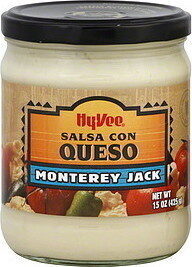
Foods that contain Less Than 2% Sodium Phosphate
Compare products →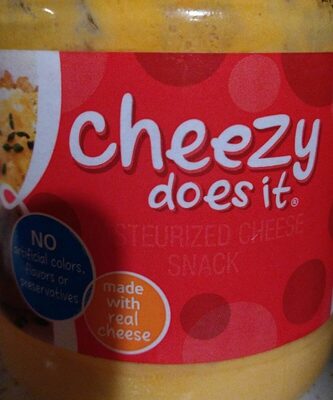
Auto-generated content. This description was generated automatically and is pending editorial review. Inaccuracies are possible. Found a mistake? Contact us.