Lnulin
What is Lnulin?
Inulin is a type of soluble fiber found naturally in many plants. It is commonly extracted from chicory root, but can also be sourced from onions, garlic, and Jerusalem artichokes. The extraction process typically involves hot water to separate the inulin from other plant components.
Is Lnulin vegan?
Lnulin is not animal-derived. Products that contain it can still include other animal-derived ingredients, so check the full ingredient list.
Is Lnulin gluten-free?
It does not contain gluten.
Is Lnulin a major allergen?
Inulin is derived from plants and is not one of the nine major allergens recognized by the FDA.
What is Lnulin used for?
Inulin is often added to foods as a dietary fiber supplement and a low-calorie sweetener.
Is Lnulin safe?
Inulin is generally recognized as safe (GRAS) by the FDA for use in food.
Why it's used
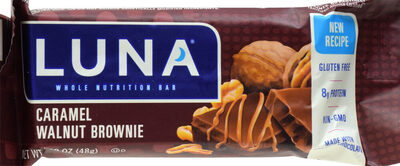
Inulin is often added to foods as a dietary fiber supplement and a low-calorie sweetener. It can also function as a fat replacer, providing a creamy texture in products like dairy and baked goods. It is frequently found in granola bars, dairy products, and baked goods.
Health notes
Inulin is generally recognized as safe (GRAS) by the FDA for use in food. As a prebiotic fiber, it can support the growth of beneficial gut bacteria. JECFA has evaluated inulin and determined it is safe for consumption. Some individuals may experience gas or bloating when consuming large amounts of inulin, especially if they are not accustomed to a high-fiber diet.
Allergen info
Inulin is derived from plants and is not one of the nine major allergens recognized by the FDA. It does not contain gluten.
Foods that contain Lnulin
Compare products →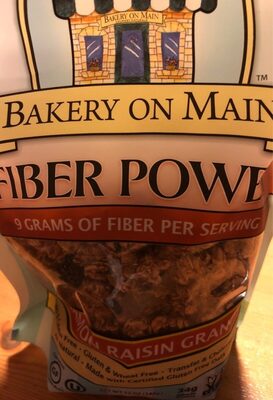
Learn more
Auto-generated content. This description was generated automatically and is pending editorial review. Inaccuracies are possible. Found a mistake? Contact us.