Lolla Rossa
What is Lolla Rossa?
Lolla Rossa is a variety of red leaf lettuce known for its frilly, deep red-to-green leaves. It is a leafy green vegetable grown for its ornamental appearance and crisp texture. Lolla Rossa is cultivated worldwide and is commonly found in fresh produce sections.
Is Lolla Rossa vegan?
Lolla Rossa is not animal-derived. Products that contain it can still include other animal-derived ingredients, so check the full ingredient list.
Is Lolla Rossa gluten-free?
It does not contain gluten.
Is Lolla Rossa a major allergen?
Lolla Rossa is not derived from any of the 9 FDA major allergens.
What is Lolla Rossa used for?
Lolla Rossa is primarily used as a fresh ingredient in salads and as a garnish.
Is Lolla Rossa safe?
Lolla Rossa is a vegetable and is generally considered safe for consumption.
Why it's used
Lolla Rossa is primarily used as a fresh ingredient in salads and as a garnish. Its vibrant color and texture add visual appeal and a mild, slightly bitter flavor to dishes. It is often found in pre-packaged salad mixes, alongside other leafy greens.
Health notes
Lolla Rossa is a vegetable and is generally considered safe for consumption. It provides vitamins and minerals typical of leafy greens. Regulatory bodies like the FDA do not specifically regulate it as an additive, as it is a whole food ingredient. No specific health claims are associated with its consumption beyond general nutrition.
Allergen info
Lolla Rossa is not derived from any of the 9 FDA major allergens. It does not contain gluten.
Foods that contain Lolla Rossa
Compare products →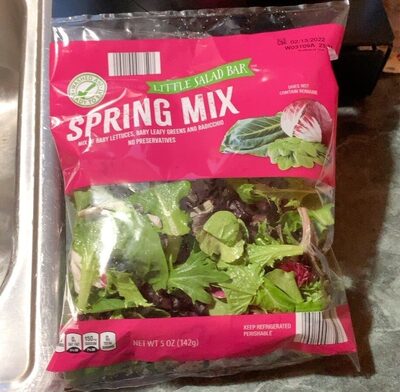
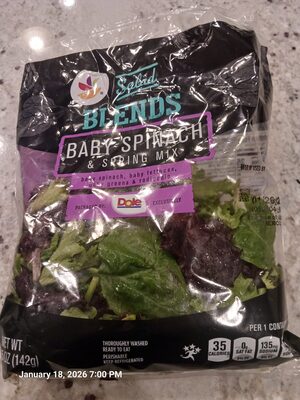
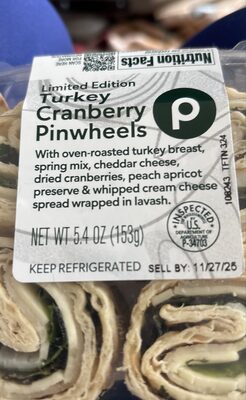
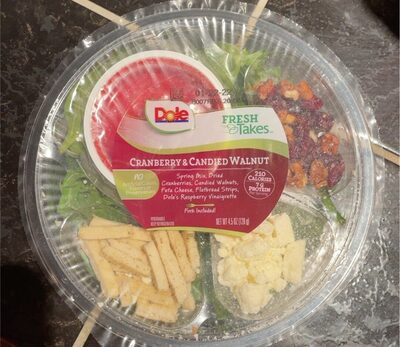
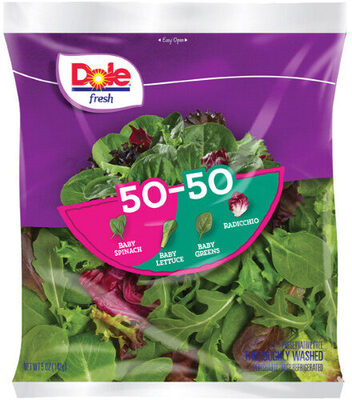
Auto-generated content. This description was generated automatically and is pending editorial review. Inaccuracies are possible. Found a mistake? Contact us.