Low Fat Ricotta
What is Low Fat Ricotta?
Low-fat ricotta is a fresh, soft, and mild-tasting cheese made from skimmed cow's milk. It is produced by heating the milk and adding an acid, such as vinegar or lemon juice, to coagulate the proteins. The curds are then strained to remove most of the whey, resulting in a creamy, slightly grainy texture.
Is Low Fat Ricotta vegan?
No. Low Fat Ricotta is animal-derived, so it is not vegan.
Is Low Fat Ricotta gluten-free?
It does not contain gluten.
Is Low Fat Ricotta a major allergen?
Ricotta cheese is derived from milk, which is one of the 9 major allergens recognized by the FDA.
What is Low Fat Ricotta used for?
Manufacturers use low-fat ricotta as a filling or topping in various dishes due to its mild flavor and creamy texture.
Is Low Fat Ricotta safe?
Low-fat ricotta is considered a dairy product and is generally recognized as safe (GRAS) by the FDA.
Why it's used
Manufacturers use low-fat ricotta as a filling or topping in various dishes due to its mild flavor and creamy texture. It is commonly found in pasta dishes like ravioli and lasagna, as well as in baked goods, desserts, and as a spread.
Health notes
Low-fat ricotta is considered a dairy product and is generally recognized as safe (GRAS) by the FDA. It is a source of protein and calcium. Regulatory bodies like JECFA and EFSA have evaluated dairy products, but specific evaluations for 'low-fat ricotta' are not typically singled out. Consumption as part of a balanced diet is generally considered safe.
Allergen info
Ricotta cheese is derived from milk, which is one of the 9 major allergens recognized by the FDA. It does not contain gluten.
Foods that contain Low Fat Ricotta
Compare products →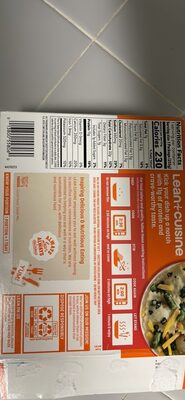 Nestle Usa-Frozen Food Division
Spinach Artichoke Ravioli
High in sodium — 30% DV per serving
110kcal
4.7Protein
2.8Fat
16.1Carbs
Nestle Usa-Frozen Food Division
Asparagus & Cheese Ravioli Filled With Asparagus, Ricotta & Parmesan Cheeses In A Roasted Red Pepper Sauce With Yellow Carrots & Asparagus, Asparagus & Cheese
High in sodium — 26% DV per serving
101kcal
3.5Protein
2.7Fat
15.5Carbs
Tasty Brands LLC
Whole Grain PizzaBoli
High in sodium — 28% DV per serving
High in saturated fat — 30% DV per serving
221kcal
10Protein
8.6Fat
24.3Carbs
Nestle Usa-Frozen Food Division
Spinach Artichoke Ravioli
High in sodium — 30% DV per serving
110kcal
4.7Protein
2.8Fat
16.1Carbs
Nestle Usa-Frozen Food Division
Asparagus & Cheese Ravioli Filled With Asparagus, Ricotta & Parmesan Cheeses In A Roasted Red Pepper Sauce With Yellow Carrots & Asparagus, Asparagus & Cheese
High in sodium — 26% DV per serving
101kcal
3.5Protein
2.7Fat
15.5Carbs
Tasty Brands LLC
Whole Grain PizzaBoli
High in sodium — 28% DV per serving
High in saturated fat — 30% DV per serving
221kcal
10Protein
8.6Fat
24.3Carbs
Learn more
Auto-generated content. This description was generated automatically and is pending editorial review. Inaccuracies are possible. Found a mistake? Contact us.