Malted Barley Flour With Sulfites
Auto-generated content. This description was generated automatically and is pending editorial review. Inaccuracies are possible. Found a mistake? Contact us.
What it is
Malted barley flour is made from barley grain that has been germinated (malted) and then dried and ground. Malting changes the starch and sugar content of the grain, making it sweeter and easier to digest. This process is often done with the addition of sulfites, which act as a preservative.
Why it's used
Malted barley flour is used as a natural sweetener and flavor enhancer in baked goods, cereals, and beverages. It can also improve the crust color and texture of bread and rolls. It is commonly found in bread, frozen dough, and appetizers.
Health notes
Malted barley flour is generally recognized as safe (GRAS) by the FDA when used as a food ingredient. Sulfites, often used in its production, can cause allergic reactions in some individuals, particularly those with asthma. Regulatory bodies like JECFA and EFSA have evaluated sulfites and set guidelines for their use. Evidence on the health effects of malted barley flour itself at typical consumption levels is limited, but it is a source of carbohydrates and some nutrients.
Allergen info
Malted barley flour is derived from barley, which is a grain containing gluten. Gluten can cause adverse reactions in individuals with celiac disease or gluten sensitivity. It is not one of the 9 FDA major allergens.
Products containing Malted Barley Flour With Sulfites
Compare products →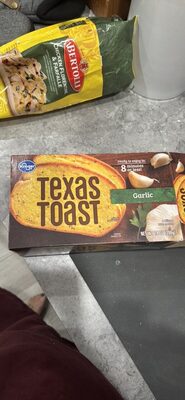 The Kroger Co.
Kroger, Garlic Texas Toast
360kcal
6Protein
20Fat
38Carbs
Cole's Quality Foods, Inc.
Cole's, French Toast, Cinnamon, Cinnamon
360kcal
8Protein
16Fat
44Carbs
Cole's Quality Foods, Inc.
Cheese Sticks Made With Real Mozzarella And Hidden Valley Ranch Seasoning Mix
292kcal
12.3Protein
10.8Fat
36.9Carbs
Cole's Quality Foods, Inc.
Cheese Garlic Toast
364kcal
6.1Protein
21.2Fat
36.4Carbs
Tasty Brands LLC
WG Mozzarella Filled Twisted Buttery Breadstick
High in saturated fat — 20% DV per serving
265kcal
12.7Protein
9.2Fat
31.1Carbs
Nash Finch Company
Garlic Bread
298kcal
7.0Protein
15.8Fat
43.9Carbs
The Kroger Co.
Kroger, Garlic Texas Toast
360kcal
6Protein
20Fat
38Carbs
Cole's Quality Foods, Inc.
Cole's, French Toast, Cinnamon, Cinnamon
360kcal
8Protein
16Fat
44Carbs
Cole's Quality Foods, Inc.
Cheese Sticks Made With Real Mozzarella And Hidden Valley Ranch Seasoning Mix
292kcal
12.3Protein
10.8Fat
36.9Carbs
Cole's Quality Foods, Inc.
Cheese Garlic Toast
364kcal
6.1Protein
21.2Fat
36.4Carbs
Tasty Brands LLC
WG Mozzarella Filled Twisted Buttery Breadstick
High in saturated fat — 20% DV per serving
265kcal
12.7Protein
9.2Fat
31.1Carbs
Nash Finch Company
Garlic Bread
298kcal
7.0Protein
15.8Fat
43.9Carbs