Maltodex Trin
What is Maltodex Trin?
Maltodextrin is a polysaccharide, a type of carbohydrate, made from corn, rice, potato starch, or wheat. It is produced by breaking down starch through processes like acid or enzymatic hydrolysis, followed by drying.
Is Maltodex Trin vegan?
Maltodex Trin is not animal-derived. Products that contain it can still include other animal-derived ingredients, so check the full ingredient list.
Is Maltodex Trin gluten-free?
If derived from wheat, it may contain trace amounts of gluten, but it is usually processed to remove gluten proteins.
Is Maltodex Trin a major allergen?
Maltodextrin is not typically considered a major allergen.
What is Maltodex Trin used for?
Manufacturers use maltodextrin as a thickener, filler, or sweetener in processed foods.
Is Maltodex Trin safe?
Maltodextrin is generally recognized as safe (GRAS) by the FDA for use in food.
Why it's used
Manufacturers use maltodextrin as a thickener, filler, or sweetener in processed foods. It adds bulk and texture without significantly altering flavor. It's commonly found in sauces, baked goods, snacks, and beverages.
Health notes
Maltodextrin is generally recognized as safe (GRAS) by the FDA for use in food. It is a highly processed carbohydrate that can cause a rapid increase in blood sugar levels. While not a major health concern for most people at typical intake levels, individuals monitoring their sugar intake should be aware of its presence. JECFA and EFSA have evaluated maltodextrin.
Allergen info
Maltodextrin is not typically considered a major allergen. If derived from wheat, it may contain trace amounts of gluten, but it is usually processed to remove gluten proteins.
Foods that contain Maltodex Trin
Compare products →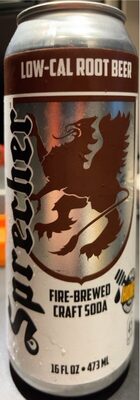 Sprecher Brewing Company, Inc.
Low-Cal Root Beer Fire-Brewed Craft Soda, Low-Cal Root Beer
9kcal
0Protein
0Fat
2.1Carbs
Volk Packaging Corporation
Garlic Butter Sauce, Garlic Butter
767kcal
0Protein
86.7Fat
3.3Carbs
Quisling Media
Breaded Tilapia Fillets
High in saturated fat — 35% DV per serving
277kcal
13.4Protein
13.4Fat
24.1Carbs
Bay Valley Foods, LLC
Salted Caramel A Sweet And Salty Blend Of Peanuts, Caramel Flavored Drops, Milk Chocolate Caramel Bites, Yogurt Flavored Covered Waffle Cone Pieces, Honey Roasted Cashews And Honey Roasted Almonds Trail Mix, Salted Caramel
552kcal
13.8Protein
37.9Fat
44.8Carbs
Sprecher Brewing Company, Inc.
Low-Cal Root Beer Fire-Brewed Craft Soda, Low-Cal Root Beer
9kcal
0Protein
0Fat
2.1Carbs
Volk Packaging Corporation
Garlic Butter Sauce, Garlic Butter
767kcal
0Protein
86.7Fat
3.3Carbs
Quisling Media
Breaded Tilapia Fillets
High in saturated fat — 35% DV per serving
277kcal
13.4Protein
13.4Fat
24.1Carbs
Bay Valley Foods, LLC
Salted Caramel A Sweet And Salty Blend Of Peanuts, Caramel Flavored Drops, Milk Chocolate Caramel Bites, Yogurt Flavored Covered Waffle Cone Pieces, Honey Roasted Cashews And Honey Roasted Almonds Trail Mix, Salted Caramel
552kcal
13.8Protein
37.9Fat
44.8Carbs
Auto-generated content. This description was generated automatically and is pending editorial review. Inaccuracies are possible. Found a mistake? Contact us.