Mayonnaise Dressing
What is Mayonnaise Dressing?
Mayonnaise is a thick, creamy sauce or dressing. It is typically made from oil, egg yolk, and an acid like vinegar or lemon juice. The oil and egg yolk are blended together to create an emulsion, which gives mayonnaise its smooth texture.
Is Mayonnaise Dressing vegan?
No. Mayonnaise Dressing is animal-derived, so it is not vegan.
Is Mayonnaise Dressing gluten-free?
It does not typically contain gluten, fish, shellfish, tree nuts, peanuts, soy, or sesame unless added as a separate ingredient.
Is Mayonnaise Dressing a major allergen?
Mayonnaise is made with egg yolk, which is one of the FDA's major allergens.
What is Mayonnaise Dressing used for?
Mayonnaise is used as a condiment and ingredient in many foods.
Is Mayonnaise Dressing safe?
Mayonnaise is generally recognized as safe (GRAS) by the FDA when used as intended.
Why it's used
Mayonnaise is used as a condiment and ingredient in many foods. Its fat content adds richness and moisture, while its acidity can balance flavors. It is commonly found in sandwiches, salads (like potato or tuna salad), dips, and as a base for other sauces.
Health notes
Mayonnaise is generally recognized as safe (GRAS) by the FDA when used as intended. It is primarily composed of oil and eggs, so its nutritional profile reflects these ingredients, often being high in fat and calories. International bodies like JECFA have evaluated mayonnaise and its components. Concerns sometimes arise regarding the saturated fat content in some mayonnaise formulations, depending on the type of oil used.
Allergen info
Mayonnaise is made with egg yolk, which is one of the FDA's major allergens. It does not typically contain gluten, fish, shellfish, tree nuts, peanuts, soy, or sesame unless added as a separate ingredient.
Foods that contain Mayonnaise Dressing
Compare products →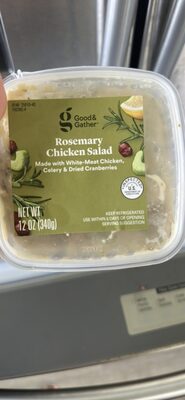
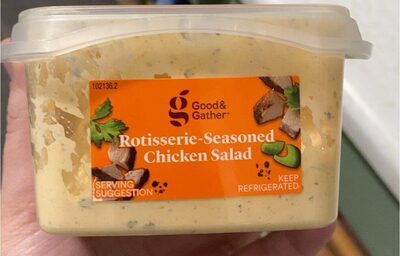
Learn more
Auto-generated content. This description was generated automatically and is pending editorial review. Inaccuracies are possible. Found a mistake? Contact us.