Mechanically Seperated Chicken
What is Mechanically Seperated Chicken?
Mechanically separated chicken (MSC) is a paste-like and skeletal meat product. It is made from chicken carcasses after the prime cuts of meat have been removed. The remaining meat, skin, and bones are then processed through a sieve or grinder to create a slurry.
Is Mechanically Seperated Chicken vegan?
No. Mechanically Seperated Chicken is animal-derived, so it is not vegan.
Is Mechanically Seperated Chicken gluten-free?
It does not contain gluten.
Is Mechanically Seperated Chicken a major allergen?
Mechanically separated chicken is not derived from any of the nine major allergens recognized by the FDA.
What is Mechanically Seperated Chicken used for?
Manufacturers use MSC as a cost-effective way to add chicken content to processed foods.
Is Mechanically Seperated Chicken safe?
In the US, MSC is permitted in food products.
Why it's used
Manufacturers use MSC as a cost-effective way to add chicken content to processed foods. Its texture and binding properties make it suitable for products like sausages, hot dogs, and pizza toppings. It is also found in some gravies and processed meat products.
Health notes
In the US, MSC is permitted in food products. The FDA regulates its production and labeling. Some concerns have been raised about its nutritional profile compared to whole muscle meat, but typical consumption levels are not associated with adverse health effects. International bodies like JECFA have evaluated similar meat processing techniques.
Allergen info
Mechanically separated chicken is not derived from any of the nine major allergens recognized by the FDA. It does not contain gluten.
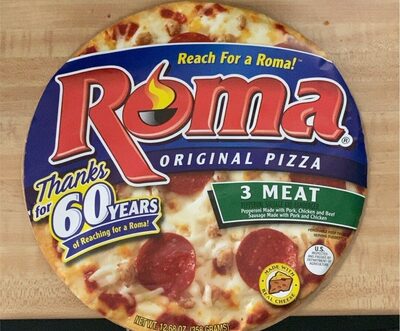
Foods that contain Mechanically Seperated Chicken
Compare products →
Learn more
Auto-generated content. This description was generated automatically and is pending editorial review. Inaccuracies are possible. Found a mistake? Contact us.