Methylhydroxypropylcellulose
Auto-generated content. This description was generated automatically and is pending editorial review. Inaccuracies are possible. Found a mistake? Contact us.
What it is
Methylhydroxypropylcellulose (MHPC) is a modified cellulose, a common plant-based fiber. It is made by chemically treating cellulose, which is derived from wood pulp or cotton linters.
Why it's used
MHPC is used as a thickener, stabilizer, and emulsifier in foods. It helps improve texture and consistency, and prevents ingredients from separating. It is often found in baked goods like cakes, muffins, and pastries.
Health notes
In the U.S., MHPC is Generally Recognized As Safe (GRAS) by the FDA for use as a food additive. It is not metabolized by the body and passes through undigested, acting as dietary fiber. The Joint FAO/WHO Expert Committee on Food Additives (JECFA) has evaluated MHPC and established an acceptable daily intake.
Allergen info
Methylhydroxypropylcellulose is not derived from any of the 9 major allergens. It does not contain gluten.
Products containing Methylhydroxypropylcellulose
Compare products →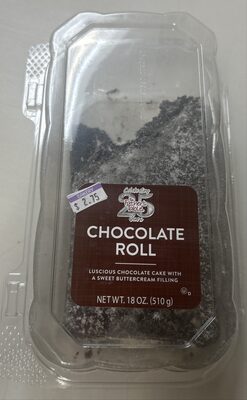 The Father's Table LLC
Chocolate Roll
High in saturated fat — 20% DV per serving
384kcal
4.1Protein
16.4Fat
56.2Carbs
The Father's Table LLC
The Father's Table, Orange Dreamsicle Roll
323kcal
3.1Protein
12.3Fat
50.8Carbs
The Father's Table LLC
Red Velvet Cake Roll
High in saturated fat — 22% DV per serving
High in cholesterol — 28% DV per serving
354kcal
4.4Protein
13.3Fat
54.9Carbs
The Father's Table LLC
Chocolate Roll
High in saturated fat — 20% DV per serving
384kcal
4.1Protein
16.4Fat
56.2Carbs
The Father's Table LLC
The Father's Table, Orange Dreamsicle Roll
323kcal
3.1Protein
12.3Fat
50.8Carbs
The Father's Table LLC
Red Velvet Cake Roll
High in saturated fat — 22% DV per serving
High in cholesterol — 28% DV per serving
354kcal
4.4Protein
13.3Fat
54.9Carbs