Milano Salami
What is Milano Salami?
Milano salami is a traditional Italian dry-cured sausage, originating from Milan, Italy. It is typically made from finely ground pork, pork fat, salt, and various spices, which are then fermented and air-dried for several weeks or months.
Is Milano Salami vegan?
No. Milano Salami is animal-derived, so it is not vegan.
Is Milano Salami a major allergen?
Not a major allergen.
What is Milano Salami used for?
Milano salami is primarily used as a flavorful food item itself, often sliced thin for charcuterie boards, sandwiches, or as an appetizer.
Is Milano Salami safe?
Milano salami is regulated by the FDA as a meat product, not a food additive.
Why it's used
Milano salami is primarily used as a flavorful food item itself, often sliced thin for charcuterie boards, sandwiches, or as an appetizer. Manufacturers include it in snack packs and ready-to-eat meals for its distinct savory taste and texture.
Health notes
Milano salami is regulated by the FDA as a meat product, not a food additive. As a processed meat, it can be high in sodium and saturated fat. The FDA's Daily Value for sodium is 2,300 mg per day. The 2025-2030 Dietary Guidelines for Americans recommend keeping saturated fat intake to less than 10% of daily calories. JECFA and EFSA primarily evaluate food additives and would not typically assess a complex food product like salami in the same manner.
Allergen info
Not a major allergen.
Foods that contain Milano Salami
Compare products →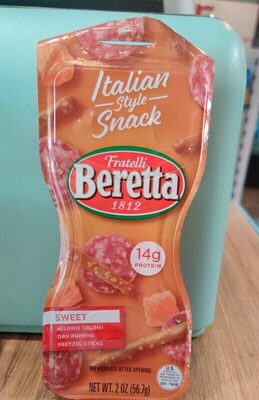
Learn more
Auto-generated content. This description was generated automatically and is pending editorial review. Inaccuracies are possible. Found a mistake? Contact us.