Milk Candy
Auto-generated content. This description was generated automatically and is pending editorial review. Inaccuracies are possible. Found a mistake? Contact us.
What it is
Milk candy is a sweet confection primarily made from milk and sugar. It is typically prepared by slowly simmering milk, sugar, and sometimes other flavorings until the mixture thickens and caramelizes. This process results in a dense, often chewy or creamy, dairy-based sweet.
Why it's used
Manufacturers use milk candy to add sweetness, a rich milky or caramel flavor, and a distinct texture to various food products. It is commonly found as a filling in pastries, cookies, and wafers, or as a topping for desserts like puddings and custards.
Health notes
Milk candy is a food product, not a single food additive, so it does not have a specific FDA regulatory status as an additive. Its main components, milk and sugar, are generally recognized as safe (GRAS) or approved food ingredients by the FDA. As a sweet confection, milk candy contributes to dietary sugar intake. The 2025-2030 Dietary Guidelines for Americans recommend no amount of added sugars, and at most 10 grams per meal. No specific health evaluations by JECFA or EFSA exist for "Milk Candy" as a composite ingredient.
Allergen info
Milk candy contains milk, which is one of the nine major food allergens identified by the FDA.
Products containing Milk Candy
Compare products →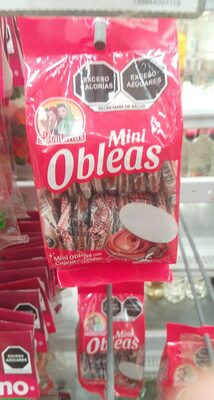 Productos Medellin, S.A. De Cv
Obleas Mini Wafers With Milk Candy, Milk Candy
410kcal
10Protein
10Fat
—Carbs
GS1 Mexico
Milk Candy Wafer, Milk Candy
400kcal
10Protein
3.3Fat
80Carbs
Productos Medellin, S.A. De Cv
Obleas Mini Wafers With Milk Candy, Milk Candy
410kcal
10Protein
10Fat
—Carbs
GS1 Mexico
Milk Candy Wafer, Milk Candy
400kcal
10Protein
3.3Fat
80Carbs