Monocalcium Phosphate And Baking Soda
Auto-generated content. This description was generated automatically and is pending editorial review. Inaccuracies are possible. Found a mistake? Contact us.
What it is
Monocalcium phosphate is a chemical compound made from calcium, phosphorus, and oxygen. It is often produced by reacting phosphoric acid with calcium carbonate. Baking soda, also known as sodium bicarbonate, is a naturally occurring mineral that is mined or synthesized.
Why it's used
These ingredients work together as a leavening system in baked goods. When combined with moisture and heat, they produce carbon dioxide gas, which causes doughs and batters to rise and become light and fluffy. They are commonly found in products like pancakes, waffles, muffins, and cakes.
Health notes
Monocalcium phosphate and baking soda are generally recognized as safe (GRAS) by the FDA for use in food. They are common sources of phosphorus and calcium in the diet. JECFA has evaluated both substances and established acceptable daily intakes. While generally safe, excessive intake of phosphates can be a concern for individuals with kidney problems.
Allergen info
Neither monocalcium phosphate nor baking soda are derived from or are among the FDA's nine major allergens. They do not contain gluten.
Products containing Monocalcium Phosphate And Baking Soda
Compare products →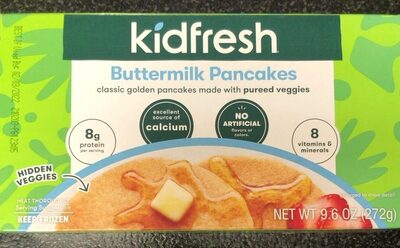 Kidfresh
Buttermilk Pancakes Classic Golden Pancakes Made With Pureed Veggies, Buttermilk Pancakes
225kcal
7.8Protein
5.9Fat
38.2Carbs
The Matzo Project LLC
Surprisingly Delicious Matzo Crumbs
333kcal
0Protein
0Fat
66.7Carbs
Kidfresh
Buttermilk Pancakes Classic Golden Pancakes Made With Pureed Veggies, Buttermilk Pancakes
225kcal
7.8Protein
5.9Fat
38.2Carbs
The Matzo Project LLC
Surprisingly Delicious Matzo Crumbs
333kcal
0Protein
0Fat
66.7Carbs