Vitamins And Minerals: Calcium Carbonate
What is Vitamins And Minerals: Calcium Carbonate?
Calcium carbonate is a common mineral found naturally in rocks, shells, and pearls. For use in food, it is often mined from limestone or produced synthetically. It typically appears as a fine white powder.
Is Vitamins And Minerals: Calcium Carbonate vegan?
Vitamins And Minerals: Calcium Carbonate is not animal-derived. Products that contain it can still include other animal-derived ingredients, so check the full ingredient list.
Is Vitamins And Minerals: Calcium Carbonate a major allergen?
Not a major allergen.
What is Vitamins And Minerals: Calcium Carbonate used for?
Manufacturers add calcium carbonate to foods primarily as a source of calcium to enrich or fortify products.
Is Vitamins And Minerals: Calcium Carbonate safe?
Calcium carbonate is generally recognized as safe (GRAS) by the FDA when used in accordance with good manufacturing practices.
Why it's used
Manufacturers add calcium carbonate to foods primarily as a source of calcium to enrich or fortify products. It can also act as an anti-caking agent, a firming agent, or a white food coloring. It's frequently found in cereals, baked goods, and plant-based milk alternatives.
Health notes
Calcium carbonate is generally recognized as safe (GRAS) by the FDA when used in accordance with good manufacturing practices. It is a common dietary supplement and food additive used to increase calcium intake, which is important for bone health. JECFA has evaluated calcium carbonate and determined that an acceptable daily intake (ADI) does not need to be specified, given its nature as a nutrient.
Allergen info
Not a major allergen.
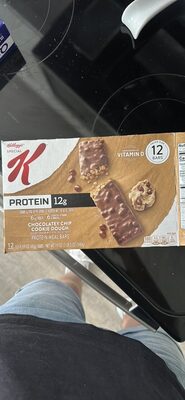
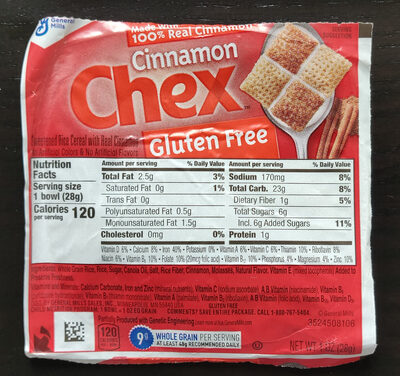
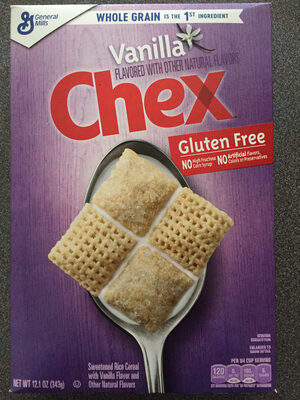
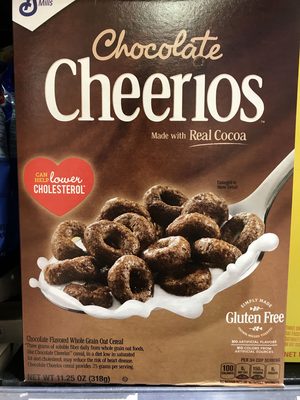
Foods that contain Vitamins And Minerals: Calcium Carbonate
Compare products →












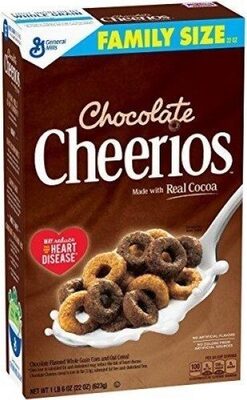
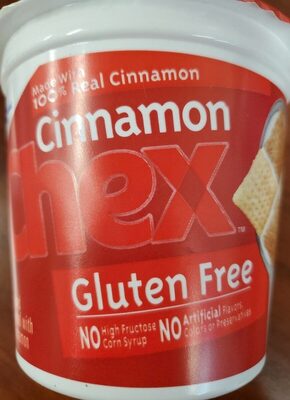

Learn more
Auto-generated content. This description was generated automatically and is pending editorial review. Inaccuracies are possible. Found a mistake? Contact us.