Monoglycerides With Citric Acid Preservative
What is Monoglycerides With Citric Acid Preservative?
Monoglycerides are a type of fat that can be made from animal or vegetable fats and oils. They are often combined with citric acid, which acts as a preservative. The combination helps to improve the texture and shelf life of food products.
Is Monoglycerides With Citric Acid Preservative a major allergen?
Monoglycerides can be derived from soy or other vegetable oils, but are not considered a major allergen.
What is Monoglycerides With Citric Acid Preservative used for?
Monoglycerides with citric acid preservative are used as emulsifiers and stabilizers in a variety of processed foods.
Is Monoglycerides With Citric Acid Preservative safe?
Monoglycerides are generally recognized as safe (GRAS) by the FDA.
Why it's used
Monoglycerides with citric acid preservative are used as emulsifiers and stabilizers in a variety of processed foods. They help to keep oil and water mixed together, creating a smoother texture. This ingredient is commonly found in baked goods, frozen doughs, and appetizers.
Health notes
Monoglycerides are generally recognized as safe (GRAS) by the FDA. Citric acid is also considered safe. These ingredients are used in small amounts in food and are not typically associated with adverse health effects at normal consumption levels. International bodies like JECFA and EFSA have evaluated these substances and found them acceptable for use in food.
Allergen info
Monoglycerides can be derived from soy or other vegetable oils, but are not considered a major allergen. Citric acid is not a major allergen. Not a major allergen.
Foods that contain Monoglycerides With Citric Acid Preservative
Compare products →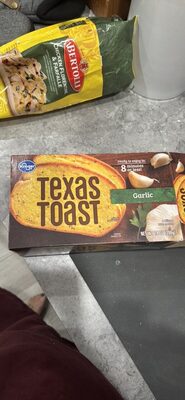 The Kroger Co.
Kroger, Garlic Texas Toast
360kcal
6Protein
20Fat
38Carbs
SPARTAN
Spartan, Texas Toast, Garlic
360kcal
6Protein
20Fat
38Carbs
McIlhenny Company
Spartan, Garlic Toast
348kcal
8.7Protein
19.6Fat
30.4Carbs
Nash Finch Company
Our Family, Garlic Bread, Topped With Mozzarella, Provolone, Parmesan, Asiago & Romano Cheese, Topped With Mozzarella, Provolone, Parmesan, Asiago & Romano Cheese
High in saturated fat — 20% DV per serving
351kcal
8.8Protein
17.5Fat
38.6Carbs
Nash Finch Company
Our Family, Mini Loaf Bread, Garlic, Garlic
368kcal
7.0Protein
17.5Fat
45.6Carbs
Satibousa
Mozzarella Stuffed Mini Breadsticks
231kcal
10.3Protein
10.3Fat
25.6Carbs
Cole's Quality Foods, Inc.
Cole's, French Toast, Cinnamon, Cinnamon
360kcal
8Protein
16Fat
44Carbs
Cole's Quality Foods, Inc.
Cheese Garlic Toast
364kcal
6.1Protein
21.2Fat
36.4Carbs
Pan-O-Gold Baking Co.
Country White Bread
208kcal
8.3Protein
2.1Fat
54.2Carbs
Nash Finch Company
Garlic Bread
298kcal
7.0Protein
15.8Fat
43.9Carbs
The Kroger Co.
Kroger, Garlic Texas Toast
360kcal
6Protein
20Fat
38Carbs
SPARTAN
Spartan, Texas Toast, Garlic
360kcal
6Protein
20Fat
38Carbs
McIlhenny Company
Spartan, Garlic Toast
348kcal
8.7Protein
19.6Fat
30.4Carbs
Nash Finch Company
Our Family, Garlic Bread, Topped With Mozzarella, Provolone, Parmesan, Asiago & Romano Cheese, Topped With Mozzarella, Provolone, Parmesan, Asiago & Romano Cheese
High in saturated fat — 20% DV per serving
351kcal
8.8Protein
17.5Fat
38.6Carbs
Nash Finch Company
Our Family, Mini Loaf Bread, Garlic, Garlic
368kcal
7.0Protein
17.5Fat
45.6Carbs
Satibousa
Mozzarella Stuffed Mini Breadsticks
231kcal
10.3Protein
10.3Fat
25.6Carbs
Cole's Quality Foods, Inc.
Cole's, French Toast, Cinnamon, Cinnamon
360kcal
8Protein
16Fat
44Carbs
Cole's Quality Foods, Inc.
Cheese Garlic Toast
364kcal
6.1Protein
21.2Fat
36.4Carbs
Pan-O-Gold Baking Co.
Country White Bread
208kcal
8.3Protein
2.1Fat
54.2Carbs
Nash Finch Company
Garlic Bread
298kcal
7.0Protein
15.8Fat
43.9Carbs
Learn more
Auto-generated content. This description was generated automatically and is pending editorial review. Inaccuracies are possible. Found a mistake? Contact us.