Mozzarella Cheese Ingredients: Pasteurized Milk
What is Mozzarella Cheese Ingredients: Pasteurized Milk?
Mozzarella cheese is a fresh, stretched-curd cheese that originated in Italy. It is traditionally made from the milk of water buffalo, but in the United States, it is most commonly produced from pasteurized cow's milk. The cheesemaking process involves coagulating milk, cutting the curd, and then stretching and kneading it to achieve its characteristic elastic texture.
Is Mozzarella Cheese Ingredients: Pasteurized Milk vegan?
No. Mozzarella Cheese Ingredients: Pasteurized Milk is animal-derived, so it is not vegan.
Is Mozzarella Cheese Ingredients: Pasteurized Milk a major allergen?
Mozzarella cheese is derived from milk, which is one of the nine major food allergens identified by the FDA.
What is Mozzarella Cheese Ingredients: Pasteurized Milk used for?
Manufacturers add mozzarella cheese to foods primarily for its mild flavor, creamy texture, and excellent melting properties.
Is Mozzarella Cheese Ingredients: Pasteurized Milk safe?
Mozzarella cheese is considered a food ingredient and is not regulated as a food additive by the FDA.
Why it's used
Manufacturers add mozzarella cheese to foods primarily for its mild flavor, creamy texture, and excellent melting properties. It is a popular ingredient in pizzas, lasagna, sandwiches, and various baked dishes, and is also commonly enjoyed as a snack.
Health notes
Mozzarella cheese is considered a food ingredient and is not regulated as a food additive by the FDA. As a dairy product, it is a source of protein and calcium, which are important for bone health. There are no specific health controversies associated with mozzarella cheese itself beyond general dietary considerations for dairy consumption.
Allergen info
Mozzarella cheese is derived from milk, which is one of the nine major food allergens identified by the FDA.
Foods that contain Mozzarella Cheese Ingredients: Pasteurized Milk
Compare products →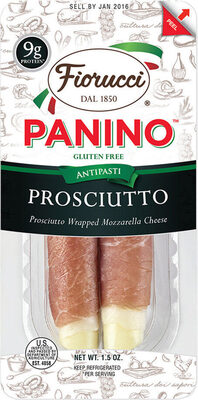
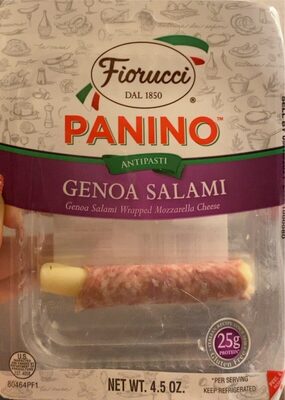
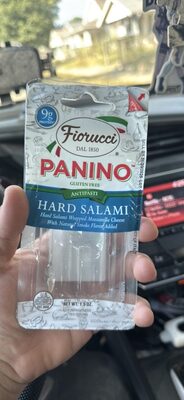
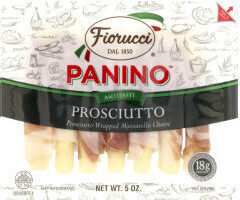
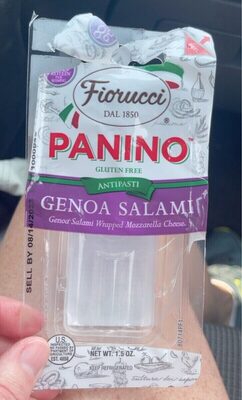
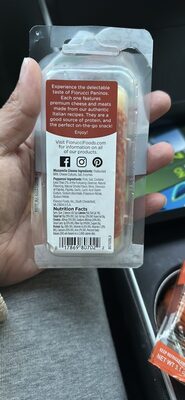
Learn more
Auto-generated content. This description was generated automatically and is pending editorial review. Inaccuracies are possible. Found a mistake? Contact us.