Mustard
What is Mustard?
Mustard is a condiment and spice made from the seeds of the mustard plant. The seeds are typically ground and mixed with liquids like water or vinegar, along with salt and other spices, to create the familiar paste. It can also refer to the dried, ground seeds used as a spice.
Is Mustard vegan?
Mustard is not animal-derived. Products that contain it can still include other animal-derived ingredients, so check the full ingredient list.
Is Mustard a major allergen?
Not a major allergen according to the FDA's list of nine major food allergens.
What is Mustard used for?
Manufacturers add mustard for its distinct pungent flavor, and it also acts as a natural emulsifier.
Is Mustard safe?
Mustard and mustard seed are generally recognized as safe (GRAS) by the FDA for use as a spice, flavoring, or condiment.
Why it's used
Manufacturers add mustard for its distinct pungent flavor, and it also acts as a natural emulsifier. It is a key ingredient in many condiments such as ketchup, BBQ sauce, salad dressings, and mayonnaise. It is also used in pickling processes, marinades, and as a seasoning in various prepared foods.
Health notes
Mustard and mustard seed are generally recognized as safe (GRAS) by the FDA for use as a spice, flavoring, or condiment. It is considered safe for consumption at typical intake levels. JECFA has evaluated mustard seed and its essential oil, but did not set a numeric acceptable daily intake for the seed as a food ingredient. EFSA has also evaluated mustard.
Allergen info
Not a major allergen according to the FDA's list of nine major food allergens.
Foods that contain Mustard
Compare products →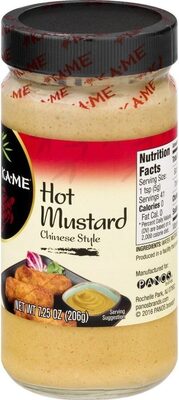
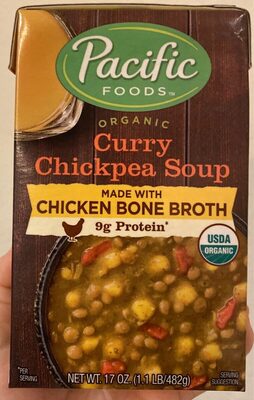
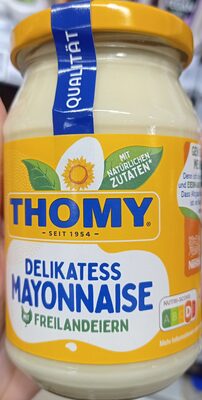
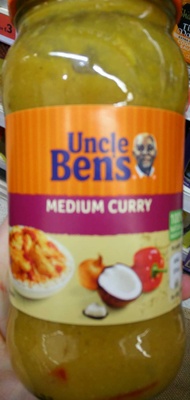
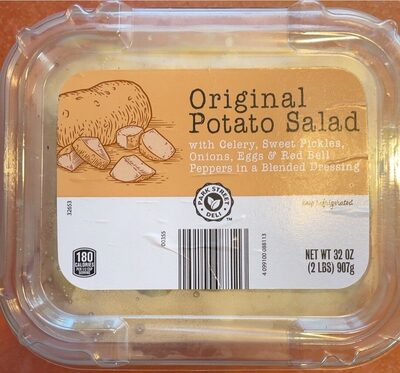
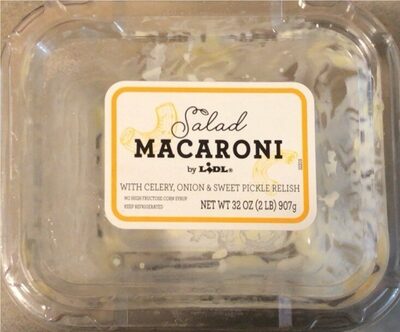 LIDL
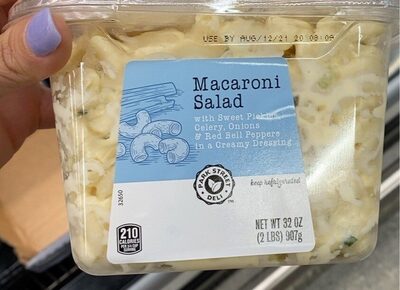
Classic Macaroni Salad
High in sodium — 33% DV per serving
200kcal
3.6Protein
12.9Fat
18.6Carbs
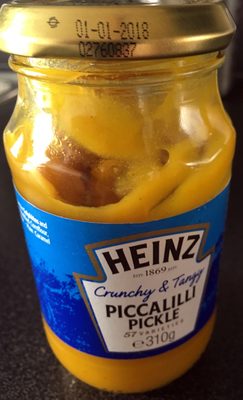
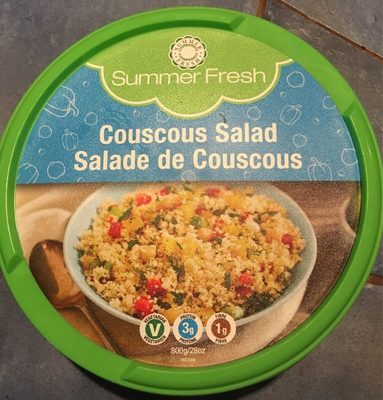
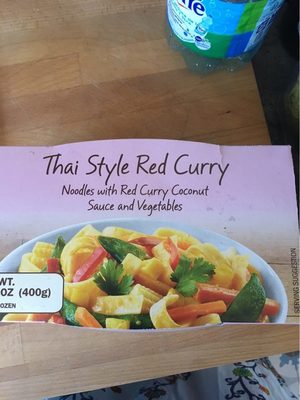
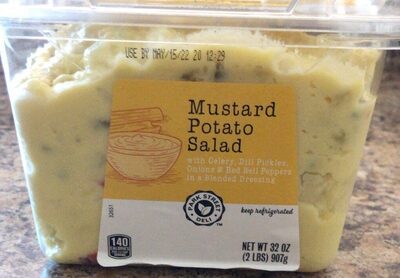
Learn more
Auto-generated content. This description was generated automatically and is pending editorial review. Inaccuracies are possible. Found a mistake? Contact us.