Native Food Starch
What is Native Food Starch?
Native food starch is a carbohydrate extracted from plant sources like corn, potatoes, wheat, or tapioca. It is not chemically modified and retains its natural structure. The starch is typically cleaned, milled, and dried.
Is Native Food Starch vegan?
Native Food Starch is not animal-derived. Products that contain it can still include other animal-derived ingredients, so check the full ingredient list.
Is Native Food Starch gluten-free?
However, if derived from wheat, it may contain gluten.
Is Native Food Starch a major allergen?
Native food starch is not a major allergen.
What is Native Food Starch used for?
Manufacturers use native food starch primarily as a thickener and stabilizer in processed foods.
Is Native Food Starch safe?
Native food starches are generally recognized as safe (GRAS) by the FDA for use in food.
Why it's used
Manufacturers use native food starch primarily as a thickener and stabilizer in processed foods. It helps improve texture and consistency in products like sauces, gravies, soups, and baked goods.
Health notes
Native food starches are generally recognized as safe (GRAS) by the FDA for use in food. They are a source of carbohydrates, providing energy. International bodies like JECFA and EFSA have evaluated starches, and they are widely used globally without significant health concerns at typical consumption levels.
Allergen info
Native food starch is not a major allergen. However, if derived from wheat, it may contain gluten. Consumers with wheat allergies or celiac disease should check product labels.
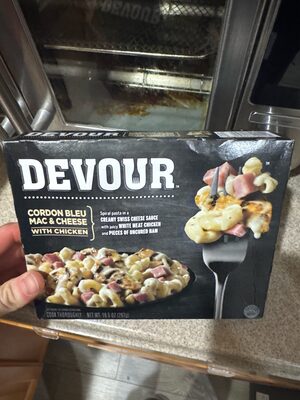
Foods that contain Native Food Starch
Compare products →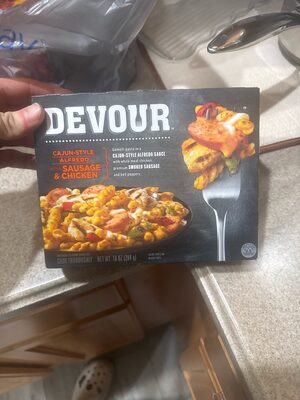


Learn more
Auto-generated content. This description was generated automatically and is pending editorial review. Inaccuracies are possible. Found a mistake? Contact us.