Natural Cultures
What is Natural Cultures?
Natural cultures are live microorganisms, such as bacteria or yeasts, that are intentionally added to food. They are typically grown in a laboratory and then introduced to food products to start or enhance fermentation processes. These cultures are essential for developing the characteristic flavors and textures of many fermented foods.
Is Natural Cultures a major allergen?
Natural cultures themselves are not typically considered major allergens.
What is Natural Cultures used for?
Manufacturers add natural cultures to foods to produce desirable flavors, aromas, and textures through fermentation.
Is Natural Cultures safe?
Natural cultures are generally recognized as safe (GRAS) by the FDA for use in food.
Why it's used
Manufacturers add natural cultures to foods to produce desirable flavors, aromas, and textures through fermentation. They are crucial in the production of dairy products like cheese and yogurt, as well as fermented meats and vegetables. These cultures act as natural preservatives by lowering pH and producing antimicrobial compounds.
Health notes
Natural cultures are generally recognized as safe (GRAS) by the FDA for use in food. Many are considered beneficial probiotics, which are live microorganisms that may provide health benefits when consumed in adequate amounts. International bodies like EFSA have also evaluated the safety of various microbial cultures used in food. Evidence suggests they contribute to gut health, though specific health benefits can vary by strain and individual.
Allergen info
Natural cultures themselves are not typically considered major allergens. However, if the cultures are grown on a medium containing major allergens (like milk or soy), or if the final food product contains other ingredients derived from major allergens, then allergen labeling would be required for those specific components.
Foods that contain Natural Cultures
Compare products →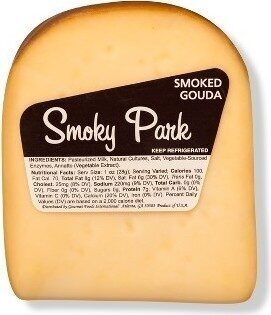
Auto-generated content. This description was generated automatically and is pending editorial review. Inaccuracies are possible. Found a mistake? Contact us.