Natural Source Of Vitamin E
Auto-generated content. This description was generated automatically and is pending editorial review. Inaccuracies are possible. Found a mistake? Contact us.
What it is
Natural Source of Vitamin E refers to ingredients that naturally contain vitamin E, a fat-soluble nutrient. These sources are typically plant-based oils, such as sunflower, safflower, or wheat germ oil, or nuts and seeds. They are used to add vitamin E to foods or as functional ingredients like oils or fats.
Why it's used
Manufacturers add natural sources of vitamin E to foods to boost their nutritional content with this essential vitamin. They also serve as cooking oils, fats, or emulsifiers in baked goods like cakes and pastries, and in savory dishes such as stews.
Health notes
Vitamin E is an essential nutrient that acts as an antioxidant. The U.S. Food and Drug Administration (FDA) recognizes vitamin E and its derivatives as safe when used according to good manufacturing practices. International bodies like the Joint FAO/WHO Expert Committee on Food Additives (JECFA) have evaluated vitamin E, and the European Food Safety Authority (EFSA) also considers it safe. At typical dietary intakes, vitamin E is generally considered safe and beneficial for health.
Allergen info
Depending on the specific source, natural sources of vitamin E can be derived from major allergens like tree nuts, peanuts, or wheat. For example, wheat germ oil comes from wheat. Consumers should check product labels for specific allergen information.
Products containing Natural Source Of Vitamin E
Compare products →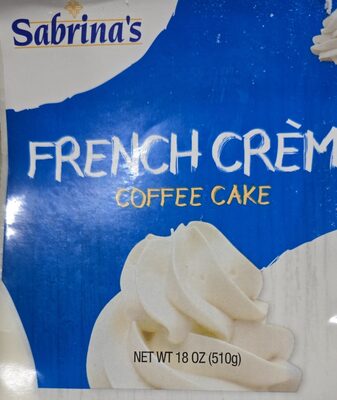 Detroit City Dairy, Inc.
French Creme Coffee Cake, French Creme
High in saturated fat — 22% DV per serving
373kcal
3.9Protein
17.6Fat
47.1Carbs
Kingston Marketing Co
French Creme Tender Golden Brown Coffee Cake Smothered With Buttery Crumbled Stresel, Generously Filled With Sweet Old World French Creme And Topped Off With Confectioners Powdered Sugar Coffee Cake, French Creme
High in saturated fat — 22% DV per serving
High in added sugars — 20% DV per serving
373kcal
3.9Protein
19.6Fat
47.1Carbs
Smart & Final Iris Corporation
Cinnamon Mini Danish Crowns, Loaded With Silky Cinnamon Filling, Cinnamon
382kcal
2.9Protein
20.6Fat
47.1Carbs
Richard and Sons Inc.
Assorted Mini Danish
353kcal
2.9Protein
17.6Fat
47.1Carbs
Detroit City Dairy, Inc.
French Creme Coffee Cake, French Creme
High in saturated fat — 22% DV per serving
373kcal
3.9Protein
17.6Fat
47.1Carbs
Kingston Marketing Co
French Creme Tender Golden Brown Coffee Cake Smothered With Buttery Crumbled Stresel, Generously Filled With Sweet Old World French Creme And Topped Off With Confectioners Powdered Sugar Coffee Cake, French Creme
High in saturated fat — 22% DV per serving
High in added sugars — 20% DV per serving
373kcal
3.9Protein
19.6Fat
47.1Carbs
Smart & Final Iris Corporation
Cinnamon Mini Danish Crowns, Loaded With Silky Cinnamon Filling, Cinnamon
382kcal
2.9Protein
20.6Fat
47.1Carbs
Richard and Sons Inc.
Assorted Mini Danish
353kcal
2.9Protein
17.6Fat
47.1Carbs
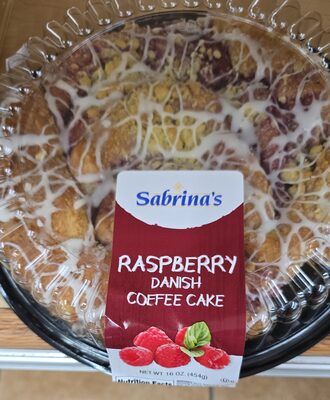 Detroit City Dairy, Inc.
Raspberry Danish Coffee Cake, Raspberry Danish
298kcal
3.5Protein
12.3Fat
38.6Carbs
Dierberg's Markets, Inc.
Mini Danish Assorted
324kcal
2.9Protein
14.7Fat
44.1Carbs
Detroit City Dairy, Inc.
Raspberry Danish Coffee Cake, Raspberry Danish
298kcal
3.5Protein
12.3Fat
38.6Carbs
Dierberg's Markets, Inc.
Mini Danish Assorted
324kcal
2.9Protein
14.7Fat
44.1Carbs