Naturally Aged Sourdough Starter
Auto-generated content. This description was generated automatically and is pending editorial review. Inaccuracies are possible. Found a mistake? Contact us.
What it is
Naturally aged sourdough starter is a live culture of wild yeasts and bacteria, typically flour and water, that has been allowed to ferment over time. This process develops a complex flavor and the ability to leaven bread. It is the traditional method for making sourdough bread.
Why it's used
Manufacturers use sourdough starter primarily for its leavening properties, helping bread rise and creating a characteristic airy texture. It also contributes a distinct tangy flavor and chewy texture to baked goods. It is most commonly found in breads and buns.
Health notes
Sourdough starter is generally recognized as safe (GRAS) by the FDA when used as a food ingredient. The fermentation process can break down some gluten and phytic acid in the flour, potentially making the nutrients more available and the bread easier to digest for some individuals. International bodies like JECFA have evaluated similar fermentation products, but specific evaluations for 'naturally aged sourdough starter' as a distinct ingredient may vary. Evidence on significant health benefits or risks at typical consumption levels is limited.
Allergen info
Sourdough starter is derived from wheat flour, which is one of the 9 FDA major allergens. It contains gluten, a protein found in wheat.
Products containing Naturally Aged Sourdough Starter
Compare products →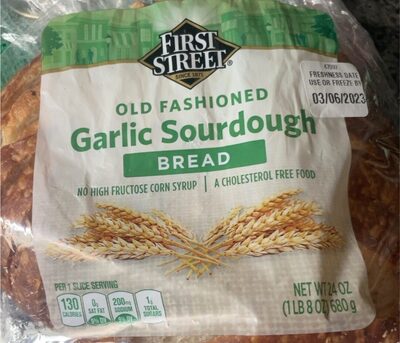 Smart & Final Iris Corporation
Garlic Sourdough Old Fashioned Bread, Garlic Sourdough
250kcal
9.6Protein
0Fat
50Carbs
Smart & Final Iris Corporation
Sourdough Old Fashioned Bread, Sourdough
250kcal
11.5Protein
0Fat
50Carbs
Smart & Final Iris Corporation
Garlic Sourdough Old Fashioned Bread, Garlic Sourdough
250kcal
9.6Protein
0Fat
50Carbs
Smart & Final Iris Corporation
Sourdough Old Fashioned Bread, Sourdough
250kcal
11.5Protein
0Fat
50Carbs
 Smart & Final Iris Corporation
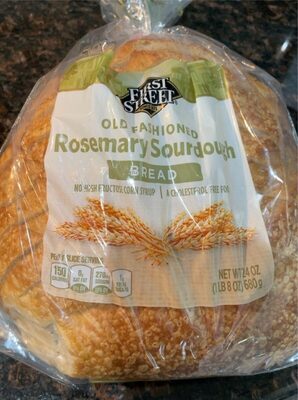
Rosemary Sourdough Old Fashioned Bread, Rosemary Sourdough
250kcal
9.6Protein
0Fat
51.9Carbs
Unified Grocers, Inc.
Kitchen Chef Signature, Traditional Sourdough Sliced Loaf
250kcal
10Protein
0.8Fat
46.7Carbs
Smart & Final Iris Corporation
Rosemary Sourdough Old Fashioned Bread, Rosemary Sourdough
250kcal
9.6Protein
0Fat
51.9Carbs
Unified Grocers, Inc.
Kitchen Chef Signature, Traditional Sourdough Sliced Loaf
250kcal
10Protein
0.8Fat
46.7Carbs