Nigella Sativa Oil
What is Nigella Sativa Oil?
Nigella Sativa oil, also known as black seed oil, is extracted from the seeds of the Nigella sativa plant, which is native to Southwest Asia and the Mediterranean. The seeds are typically cold-pressed to yield a dark, flavorful oil.
Is Nigella Sativa Oil vegan?
Nigella Sativa Oil is not animal-derived. Products that contain it can still include other animal-derived ingredients, so check the full ingredient list.
Is Nigella Sativa Oil gluten-free?
It is not related to gluten.
Is Nigella Sativa Oil a major allergen?
Nigella Sativa oil is derived from seeds, not one of the nine major allergens.
What is Nigella Sativa Oil used for?
Manufacturers use Nigella Sativa oil primarily as a flavoring agent and for its distinct, pungent taste.
Is Nigella Sativa Oil safe?
Nigella Sativa oil is generally recognized as safe (GRAS) by the FDA for use as a food ingredient.
Why it's used
Manufacturers use Nigella Sativa oil primarily as a flavoring agent and for its distinct, pungent taste. It is often found in salad dressings, marinades, and as a finishing oil for various dishes, especially in cuisines from the Middle East and South Asia.
Health notes
Nigella Sativa oil is generally recognized as safe (GRAS) by the FDA for use as a food ingredient. While traditional medicine has used it for various ailments, scientific evidence for specific health benefits in humans at typical dietary intake levels is still developing. Regulatory bodies like JECFA and EFSA have not established specific limits or evaluations for its use as a food additive.
Allergen info
Nigella Sativa oil is derived from seeds, not one of the nine major allergens. It is not related to gluten.
Foods that contain Nigella Sativa Oil
Compare products →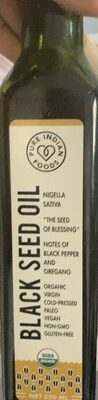
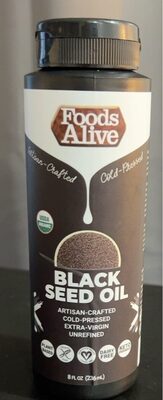
Learn more
Auto-generated content. This description was generated automatically and is pending editorial review. Inaccuracies are possible. Found a mistake? Contact us.