Non-gmo Sprinkles
What is Non-gmo Sprinkles?
Sprinkles are small, decorative confectionery items used to add visual appeal and texture to desserts. They are typically made from a base of sugar, corn syrup, and cornstarch, often combined with fats, waxes, colors, and flavors. The 'non-GMO' label indicates that the ingredients used in the sprinkles, such as sugar or cornstarch, are not genetically modified.
Is Non-gmo Sprinkles a major allergen?
Sprinkles can contain common allergens such as wheat (for texture), soy (lecithin), or milk (dairy-based glazes or coatings).
What is Non-gmo Sprinkles used for?
Manufacturers add sprinkles primarily for decorative purposes, enhancing the visual appeal of baked goods, ice cream, and other desserts.
Is Non-gmo Sprinkles safe?
Sprinkles are a food product, not a single additive, and their health implications are mainly related to their primary ingredients.
Why it's used
Manufacturers add sprinkles primarily for decorative purposes, enhancing the visual appeal of baked goods, ice cream, and other desserts. They provide a crunchy texture and a touch of sweetness. Sprinkles are commonly found on cakes, cupcakes, cookies, and frozen treats.
Health notes
Sprinkles are a food product, not a single additive, and their health implications are mainly related to their primary ingredients. They are high in added sugars; the 2025-2030 Dietary Guidelines for Americans recommend no amount of added sugars, and at most 10 grams of added sugars per meal. Individual ingredients within sprinkles, such as specific colors or fats, are regulated by the FDA. JECFA and EFSA evaluate individual food additives, not composite food products like sprinkles.
Allergen info
Sprinkles can contain common allergens such as wheat (for texture), soy (lecithin), or milk (dairy-based glazes or coatings). Consumers with allergies should always check the specific product label for allergen information.
Foods that contain Non-gmo Sprinkles
Compare products →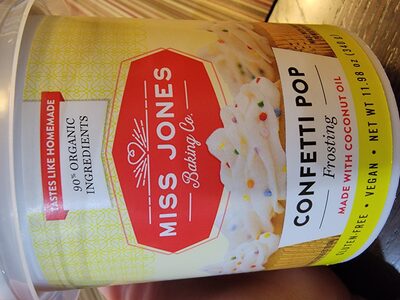
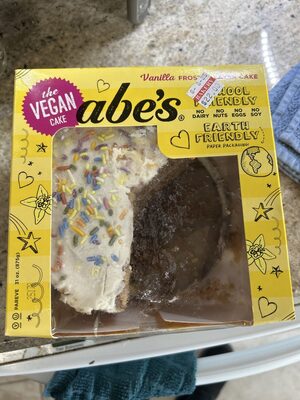

Auto-generated content. This description was generated automatically and is pending editorial review. Inaccuracies are possible. Found a mistake? Contact us.