Non-hydrogenated Coconut Oil
What is Non-hydrogenated Coconut Oil?
Non-hydrogenated coconut oil is a type of fat extracted from the meat of mature coconuts. It is a solid at room temperature but melts easily. Unlike partially or fully hydrogenated oils, it has not undergone a process that adds hydrogen to make it more stable or solid.
Is Non-hydrogenated Coconut Oil vegan?
Non-hydrogenated Coconut Oil is not animal-derived. Products that contain it can still include other animal-derived ingredients, so check the full ingredient list.
Is Non-hydrogenated Coconut Oil a major allergen?
Coconut is considered a tree nut by the FDA for labeling purposes, making it one of the major allergens.
What is Non-hydrogenated Coconut Oil used for?
Manufacturers use non-hydrogenated coconut oil for its rich flavor and creamy texture.
Is Non-hydrogenated Coconut Oil safe?
Non-hydrogenated coconut oil is generally recognized as safe (GRAS) by the FDA for use in food.
Why it's used
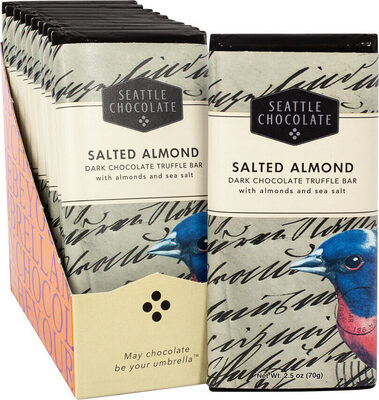
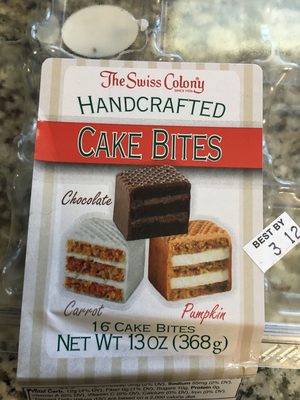
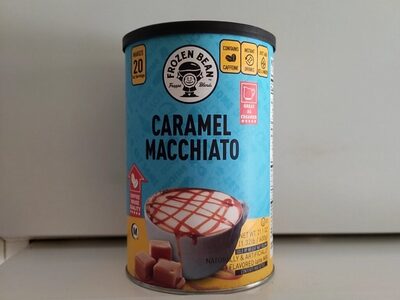
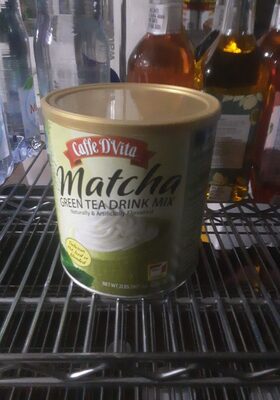
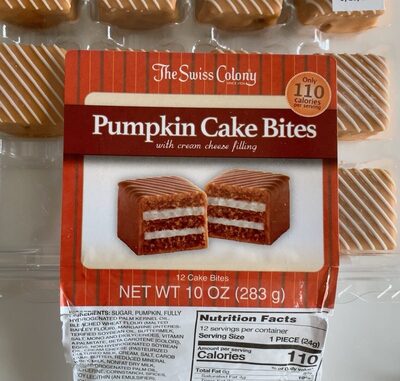
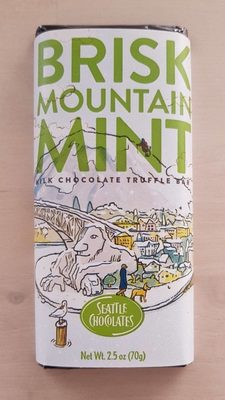
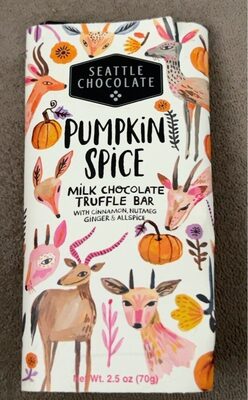
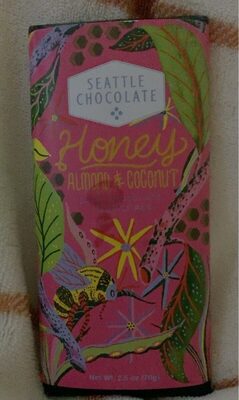
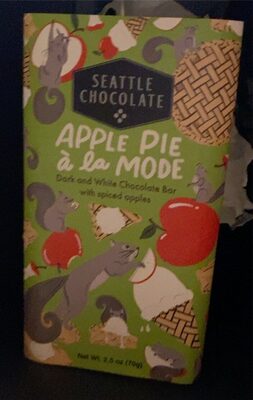
Manufacturers use non-hydrogenated coconut oil for its rich flavor and creamy texture. It functions as a fat source, contributing to the mouthfeel and structure of foods. It is commonly found in chocolate products, baked goods like cakes and cupcakes, and powdered drink mixes.
Health notes
Non-hydrogenated coconut oil is generally recognized as safe (GRAS) by the FDA for use in food. It is primarily composed of saturated fat, which has been a subject of dietary recommendations. The FDA and other health organizations advise limiting saturated fat intake as part of a healthy diet. JECFA has evaluated coconut oil and set an acceptable daily intake.
Allergen info
Coconut is considered a tree nut by the FDA for labeling purposes, making it one of the major allergens. Non-hydrogenated coconut oil is derived from coconut, so it is a major allergen.
Foods that contain Non-hydrogenated Coconut Oil
Compare products →
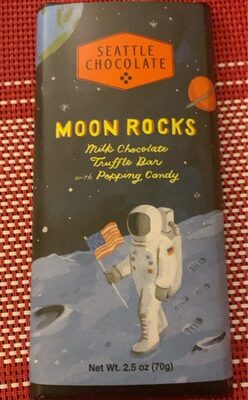
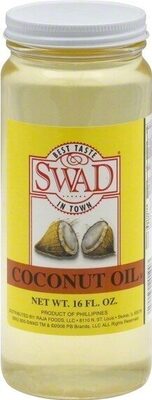
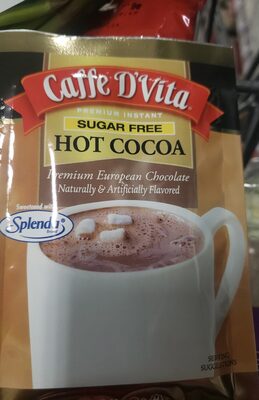

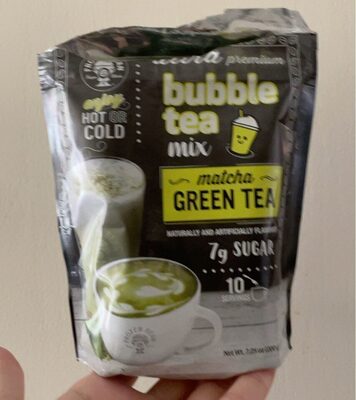
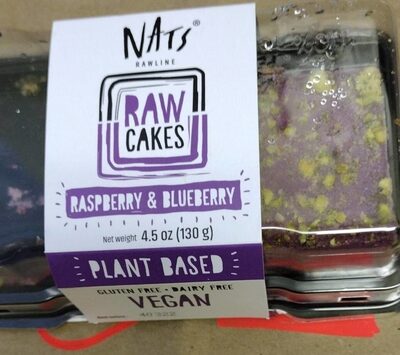

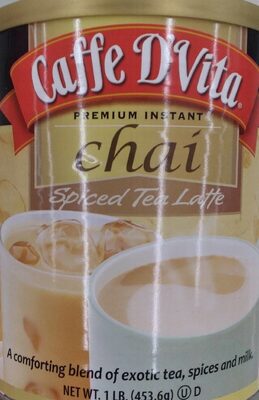
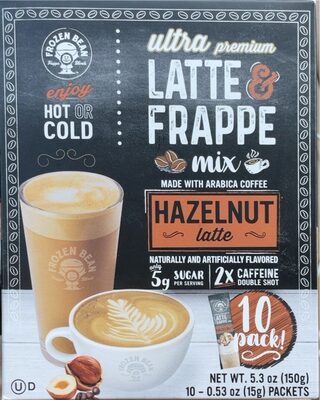
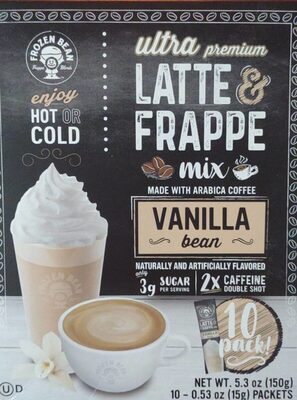
Learn more
Auto-generated content. This description was generated automatically and is pending editorial review. Inaccuracies are possible. Found a mistake? Contact us.