Non-hydrogenated Palm Shortening
What is Non-hydrogenated Palm Shortening?
Non-hydrogenated palm shortening is a solid fat made from palm oil. It is obtained from the fruit of the oil palm tree and processed to create a semi-solid fat without adding hydrogen.
Is Non-hydrogenated Palm Shortening vegan?
Non-hydrogenated Palm Shortening is not animal-derived. Products that contain it can still include other animal-derived ingredients, so check the full ingredient list.
Is Non-hydrogenated Palm Shortening a major allergen?
Not a major allergen.
What is Non-hydrogenated Palm Shortening used for?
Manufacturers use non-hydrogenated palm shortening to provide structure, flakiness, and a tender texture in baked goods.
Is Non-hydrogenated Palm Shortening safe?
Palm shortening is generally recognized as safe (GRAS) by the FDA.
Why it's used
Manufacturers use non-hydrogenated palm shortening to provide structure, flakiness, and a tender texture in baked goods. It is commonly found in cookies, cakes, pastries, and other items where a solid fat is desired.
Health notes
Palm shortening is generally recognized as safe (GRAS) by the FDA. It is a source of saturated fat, and the 2025-2030 Dietary Guidelines for Americans recommend limiting saturated fat intake to less than 10% of daily calories. JECFA has evaluated palm oil and set an acceptable daily intake. This ingredient is distinct from partially hydrogenated oils (PHOs), which are no longer GRAS due to artificial trans fats; non-hydrogenated palm shortening does not contain artificial trans fats.
Allergen info
Not a major allergen.
Foods that contain Non-hydrogenated Palm Shortening
Compare products →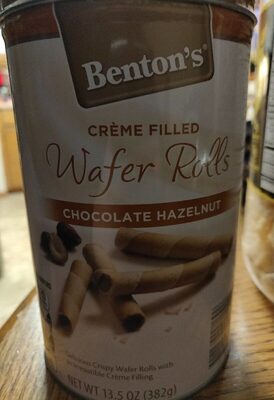
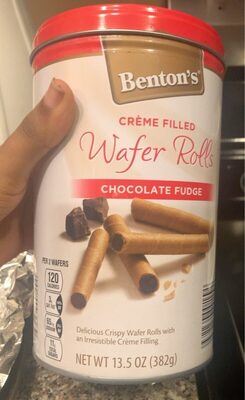

Learn more
Auto-generated content. This description was generated automatically and is pending editorial review. Inaccuracies are possible. Found a mistake? Contact us.