Non-hydrogenated Vegetable Fats
What is Non-hydrogenated Vegetable Fats?
Non-hydrogenated vegetable fats are fats and oils derived from plants that have not undergone the chemical process of hydrogenation. This means they maintain their natural fatty acid structure, without the addition of hydrogen atoms to make them more solid. They can come from various plant sources, such as palm, coconut, sunflower, or soy.
Is Non-hydrogenated Vegetable Fats vegan?
Non-hydrogenated Vegetable Fats is not animal-derived. Products that contain it can still include other animal-derived ingredients, so check the full ingredient list.
Is Non-hydrogenated Vegetable Fats a major allergen?
Non-hydrogenated vegetable fats themselves are not major allergens.
What is Non-hydrogenated Vegetable Fats used for?
Manufacturers use these fats to improve the texture, mouthfeel, and shelf life of food products.
Is Non-hydrogenated Vegetable Fats safe?
Vegetable fats are generally recognized as safe (GRAS) by the FDA when used appropriately in food.
Why it's used
Manufacturers use these fats to improve the texture, mouthfeel, and shelf life of food products. They can also serve as carriers for flavors and contribute to the overall richness of a food item. These fats are commonly found in baked goods like cookies and biscuits, chocolates, popcorn, and various snack foods.
Health notes
Vegetable fats are generally recognized as safe (GRAS) by the FDA when used appropriately in food. A key distinction is that non-hydrogenated vegetable fats do not contain artificial trans fats, unlike partially hydrogenated oils (PHOs), which the FDA determined are no longer GRAS as of 2018. The health effects of vegetable fats depend on their specific fatty acid composition, which varies by plant source (e.g., high in saturated fat like coconut oil, or high in unsaturated fat like sunflower oil). JECFA has evaluated various individual fats and oils, but 'non-hydrogenated vegetable fats' is a broad category rather than a single additive.
Allergen info
Non-hydrogenated vegetable fats themselves are not major allergens. However, if the fat is derived from a major allergen source (such as soy, peanuts, or tree nuts), that specific allergen would be declared on the food label.
Foods that contain Non-hydrogenated Vegetable Fats
Compare products →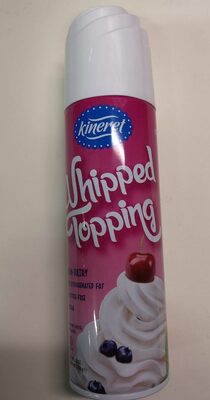
Learn more
Auto-generated content. This description was generated automatically and is pending editorial review. Inaccuracies are possible. Found a mistake? Contact us.