Nonpareils: Sugar
What is Nonpareils: Sugar?
Nonpareils are tiny, decorative spheres made primarily from sugar and often corn starch. They are a type of sprinkle used to add visual appeal and a slight crunch to various food items.
Is Nonpareils: Sugar a major allergen?
Nonpareils are not typically considered a major allergen.
What is Nonpareils: Sugar used for?
Manufacturers add nonpareils to foods mainly for decoration and texture.
Is Nonpareils: Sugar safe?
As nonpareils are mostly sugar, their consumption contributes to overall added sugar intake.
Why it's used
Manufacturers add nonpareils to foods mainly for decoration and texture. They are frequently found as toppings on baked goods like cakes, cookies, and cupcakes, and are also included in baking decoration kits and dessert mixes.
Health notes
As nonpareils are mostly sugar, their consumption contributes to overall added sugar intake. The 2025-2030 Dietary Guidelines for Americans recommend no amount of added sugars, and at most 10 grams of added sugars per meal. Excessive intake of added sugars is associated with various health concerns. Sugar, corn starch, and common food colorings used in nonpareils are generally recognized as safe (GRAS) or approved food additives by the FDA. JECFA has evaluated sugar (sucrose) and did not set a numeric limit (ADI not specified), recognizing it as a basic food component.
Allergen info
Nonpareils are not typically considered a major allergen. However, depending on the specific ingredients and manufacturing processes, cross-contamination with major allergens like wheat or soy could occur.
Foods that contain Nonpareils: Sugar
Compare products →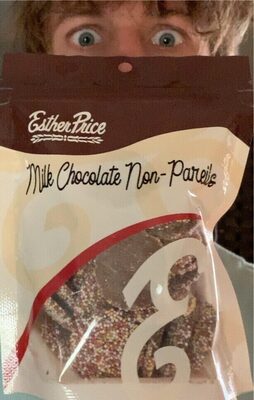
Auto-generated content. This description was generated automatically and is pending editorial review. Inaccuracies are possible. Found a mistake? Contact us.