Not More Than 30% Fat
What is Not More Than 30% Fat?
This refers to a fat content limit in a food product, meaning the food contains no more than 30% fat by weight. Fat content is a key factor in the texture, flavor, and mouthfeel of many foods. Manufacturers control this by selecting ingredients and processing methods.
Is Not More Than 30% Fat a major allergen?
Not a major allergen.
What is Not More Than 30% Fat used for?
This specification is often used for processed meat products, like burgers or meatloaf, and some baked goods like pizza crusts.
Is Not More Than 30% Fat safe?
The U.S. Food and Drug Administration (FDA) regulates fat content in foods as part of overall product labeling and standards of identity.
Why it's used
This specification is often used for processed meat products, like burgers or meatloaf, and some baked goods like pizza crusts. It helps manufacturers meet certain product standards or consumer expectations for leanness.
Health notes
The U.S. Food and Drug Administration (FDA) regulates fat content in foods as part of overall product labeling and standards of identity. While high fat intake can be associated with health concerns, the FDA does not set specific upper limits for total fat content in most foods, focusing instead on labeling accuracy. International bodies like JECFA and EFSA have evaluated fats and oils generally, but specific evaluations for a '30% fat' limit are not applicable as it's a product specification, not an additive.
Allergen info
Not a major allergen. The fat itself is not an allergen, but the source of the food product (e.g., meat) may be relevant for other dietary restrictions.
Foods that contain Not More Than 30% Fat
Compare products →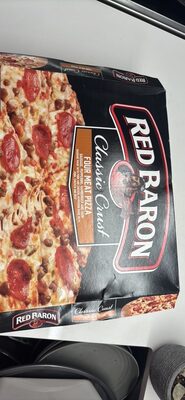
Learn more
Auto-generated content. This description was generated automatically and is pending editorial review. Inaccuracies are possible. Found a mistake? Contact us.