Not Roasted
What is Not Roasted?
This term refers to food ingredients that have not undergone a roasting process. Roasting is a dry heat cooking method often used for nuts, seeds, and coffee beans to enhance flavor and texture. Ingredients labeled 'not roasted' are typically in their raw or minimally processed state.
Is Not Roasted a major allergen?
This depends on the specific ingredient being described as 'not roasted'.
What is Not Roasted used for?
Manufacturers use 'not roasted' ingredients to preserve a milder, more natural flavor profile or to maintain specific nutritional qualities.
Is Not Roasted safe?
The FDA generally recognizes ingredients as safe (GRAS) unless specific regulations state otherwise. 'Not roasted' is a processing descriptor, not an ingredient itself, so it doesn't have a specific regulatory status.
Why it's used
Manufacturers use 'not roasted' ingredients to preserve a milder, more natural flavor profile or to maintain specific nutritional qualities. They are often found in products where the original taste and texture of the raw ingredient are desired, such as in some snack mixes, trail mixes, and certain baked goods.
Health notes
The FDA generally recognizes ingredients as safe (GRAS) unless specific regulations state otherwise. 'Not roasted' is a processing descriptor, not an ingredient itself, so it doesn't have a specific regulatory status. Health implications depend entirely on the specific food ingredient being described as 'not roasted'. JECFA and EFSA evaluate specific food ingredients, not processing methods.
Allergen info
This depends on the specific ingredient being described as 'not roasted'. If the ingredient is a nut or seed, it may be a major allergen. Not a major allergen unless the underlying ingredient is.
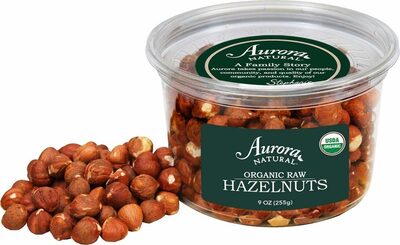
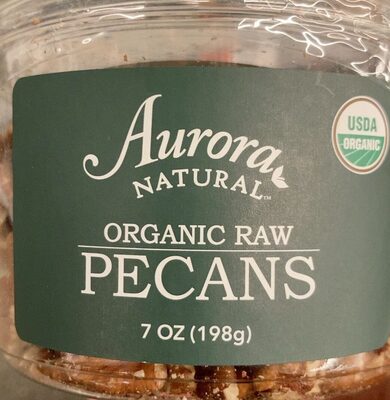
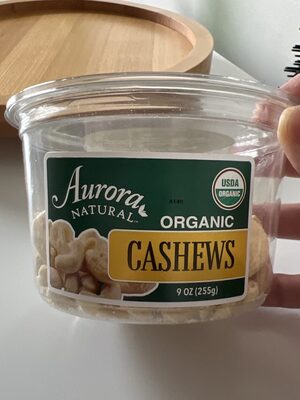
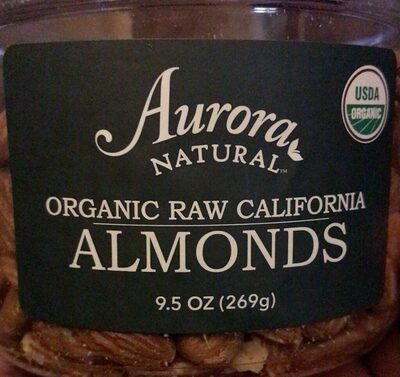
Foods that contain Not Roasted
Compare products →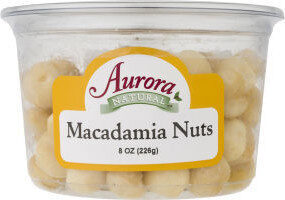
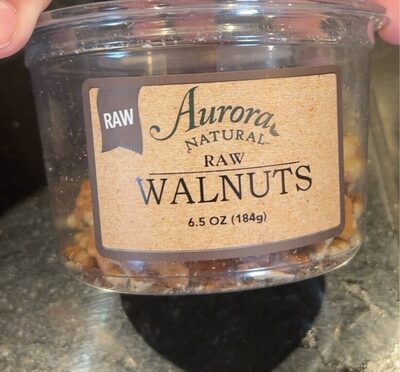
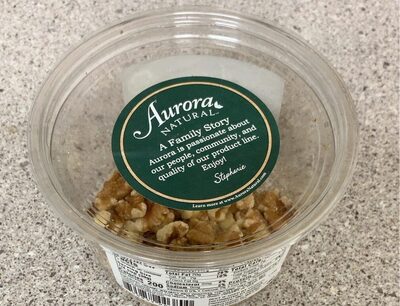
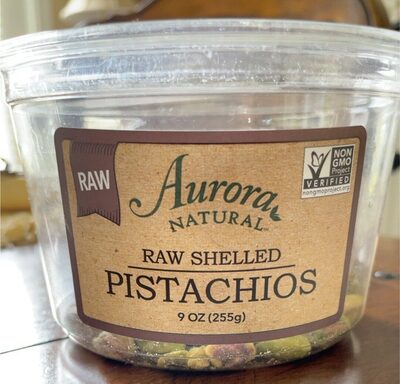
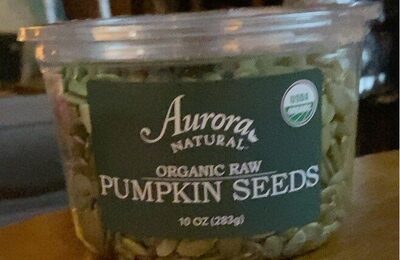
Auto-generated content. This description was generated automatically and is pending editorial review. Inaccuracies are possible. Found a mistake? Contact us.