Organic Black Barley
What is Organic Black Barley?
Organic black barley is a whole grain, a variety of barley that has a dark, almost black color due to its antioxidant content. It is grown organically, meaning without synthetic pesticides or fertilizers. The grain is typically hulled and can be cooked and consumed whole.
Is Organic Black Barley vegan?
Organic Black Barley is not animal-derived. Products that contain it can still include other animal-derived ingredients, so check the full ingredient list.
Is Organic Black Barley gluten-free?
Barley contains gluten, a protein that can cause adverse reactions in individuals with celiac disease or gluten sensitivity.
What is Organic Black Barley used for?
Manufacturers use organic black barley as a nutritious whole grain ingredient in various food products.
Is Organic Black Barley safe?
Organic black barley is a source of fiber and antioxidants.
Why it's used
Manufacturers use organic black barley as a nutritious whole grain ingredient in various food products. It adds texture, color, and a nutty flavor to dishes. It is often found in grain bowls, salads, soups, and as a side dish.
Health notes
Organic black barley is a source of fiber and antioxidants. The FDA considers whole grains like barley to be part of a healthy diet. JECFA and EFSA have evaluated barley and its components, recognizing its nutritional value. Evidence suggests that consuming whole grains may be associated with various health benefits.
Allergen info
Barley contains gluten, a protein that can cause adverse reactions in individuals with celiac disease or gluten sensitivity. Therefore, it is not suitable for those avoiding gluten.
Foods that contain Organic Black Barley
Compare products →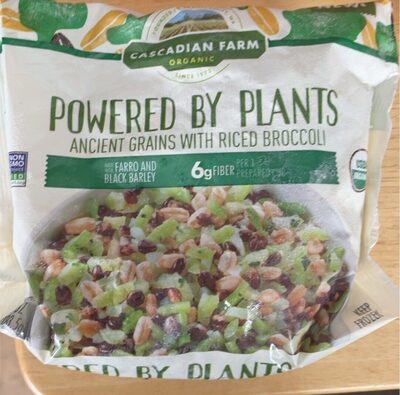
Learn more
Auto-generated content. This description was generated automatically and is pending editorial review. Inaccuracies are possible. Found a mistake? Contact us.