Organic Cider Vinegar
Auto-generated content. This description was generated automatically and is pending editorial review. Inaccuracies are possible. Found a mistake? Contact us.
What it is
Organic cider vinegar is made from the fermented juice of organic apples. The process involves two fermentation stages: first, yeast converts apple sugars into alcohol, and then bacteria convert the alcohol into acetic acid, which gives vinegar its characteristic sour taste and pungent aroma. It is unfiltered and unpasteurized, meaning it retains a cloudy appearance and may contain strands of 'the mother of vinegar,' a collection of beneficial bacteria and enzymes.
Why it's used
Manufacturers use organic cider vinegar primarily as a flavor enhancer and preservative. Its tartness adds a bright, acidic note to foods, making it a popular ingredient in salad dressings, marinades, and sauces. It can also help preserve foods by inhibiting the growth of spoilage microorganisms.
Health notes
Organic cider vinegar is generally recognized as safe (GRAS) by the FDA for use in food. Some research suggests potential benefits, such as aiding digestion and helping to manage blood sugar levels, but more high-quality studies are needed. JECFA has evaluated acetic acid, the main component of vinegar, and established an acceptable daily intake. Evidence regarding other health claims is mixed and not conclusive.
Allergen info
Organic cider vinegar is not derived from any of the FDA's major allergens and does not contain gluten.
Products containing Organic Cider Vinegar
Compare products →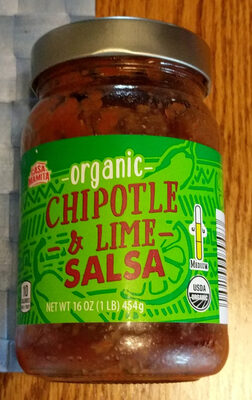 CASA MAMITA
Medium, Chipotle & Lime Salsa
31kcal
0Protein
0Fat
6.2Carbs
CASA MAMITA
Medium, Chipotle & Lime Salsa
31kcal
0Protein
0Fat
6.2Carbs
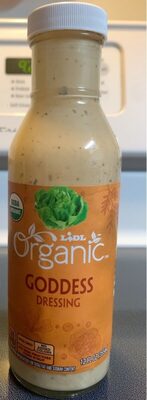 LIDL
Goddess Dressing, Goddess
400kcal
3.3Protein
40Fat
6.7Carbs
LIDL
Goddess Dressing, Goddess
400kcal
3.3Protein
40Fat
6.7Carbs
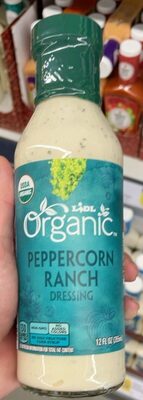 LIDL
Peppercorn Ranch Dressing, Peppercorn Ranch
467kcal
3.3Protein
46.7Fat
—Carbs
ORGANICVILLE
Dijon Vinaigrette
267kcal
0Protein
26.7Fat
6.7Carbs
Topco Associates, Inc.
Full Circle, Organic Raspberry Vinaigrette Dressing
200kcal
0Protein
16.7Fat
16.7Carbs
Topco Associates, Inc.
Organic Goddess Dressing
433kcal
3.3Protein
40Fat
6.7Carbs
Topco Associates, Inc.
Blueberry & Pomegranate Vinaigrette, Blueberry & Pomegranate
200kcal
0Protein
11.7Fat
23.3Carbs
Pearson Foods Corporation
Meijer, Organic Caesar Salad
High in sodium — 25% DV per serving
128kcal
2.7Protein
10.3Fat
7.6Carbs
Drew's LLC
Drew's, Medium Organic Salsa, Chipotle Lime, Chipotle Lime
36kcal
0Protein
0Fat
7.1Carbs
Delhaize America, Inc.
Organic Salsa, Hot
32kcal
0Protein
0Fat
6.5Carbs
Delhaize America, Inc.
Organic Mild Salsa, Mild
32kcal
0Protein
0Fat
6.5Carbs
LIDL
Peppercorn Ranch Dressing, Peppercorn Ranch
467kcal
3.3Protein
46.7Fat
—Carbs
ORGANICVILLE
Dijon Vinaigrette
267kcal
0Protein
26.7Fat
6.7Carbs
Topco Associates, Inc.
Full Circle, Organic Raspberry Vinaigrette Dressing
200kcal
0Protein
16.7Fat
16.7Carbs
Topco Associates, Inc.
Organic Goddess Dressing
433kcal
3.3Protein
40Fat
6.7Carbs
Topco Associates, Inc.
Blueberry & Pomegranate Vinaigrette, Blueberry & Pomegranate
200kcal
0Protein
11.7Fat
23.3Carbs
Pearson Foods Corporation
Meijer, Organic Caesar Salad
High in sodium — 25% DV per serving
128kcal
2.7Protein
10.3Fat
7.6Carbs
Drew's LLC
Drew's, Medium Organic Salsa, Chipotle Lime, Chipotle Lime
36kcal
0Protein
0Fat
7.1Carbs
Delhaize America, Inc.
Organic Salsa, Hot
32kcal
0Protein
0Fat
6.5Carbs
Delhaize America, Inc.
Organic Mild Salsa, Mild
32kcal
0Protein
0Fat
6.5Carbs