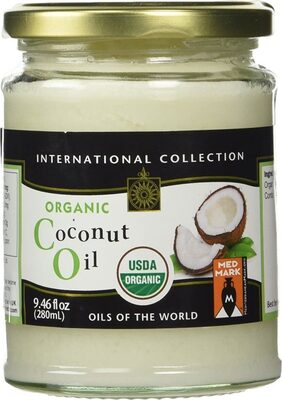
Organic Coconut Oil
What is Organic Coconut Oil?
Organic coconut oil is a vegetable oil extracted from the flesh of mature coconuts. It is known for its distinct flavor and aroma. The oil is typically produced through processes like pressing dried coconut flesh or extracting oil from fresh coconut milk.
Is Organic Coconut Oil vegan?
Organic Coconut Oil is not animal-derived. Products that contain it can still include other animal-derived ingredients, so check the full ingredient list.
Is Organic Coconut Oil a major allergen?
Coconut is not considered a major allergen by the FDA.
What is Organic Coconut Oil used for?
Manufacturers use coconut oil as a cooking oil and a source of fat in baked goods and processed foods.
Is Organic Coconut Oil safe?
Coconut oil is generally recognized as safe (GRAS) by the FDA for use in food.
Why it's used
Manufacturers use coconut oil as a cooking oil and a source of fat in baked goods and processed foods. Its solid state at room temperature makes it useful in products like cookies and pastries, contributing to texture and mouthfeel. It is also found in some dairy-free alternatives and baby foods.
Health notes
Coconut oil is generally recognized as safe (GRAS) by the FDA for use in food. It is primarily composed of saturated fats, particularly lauric acid. While some research suggests potential benefits of medium-chain triglycerides (MCTs) found in coconut oil, other studies highlight concerns about saturated fat intake and cardiovascular health. JECFA and EFSA have evaluated coconut oil and related fatty acids.
Allergen info
Coconut is not considered a major allergen by the FDA. It is not related to tree nuts, although some individuals may have allergies to both.
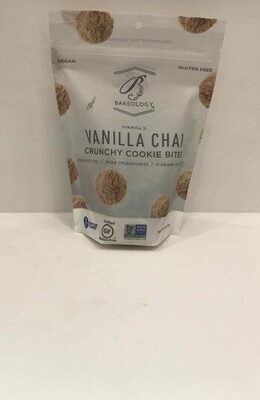
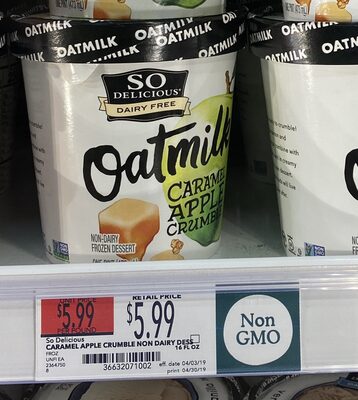
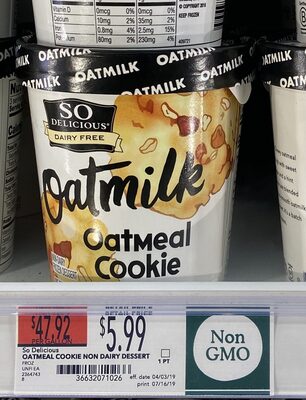
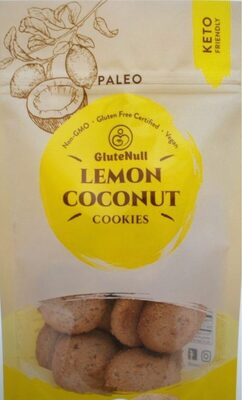
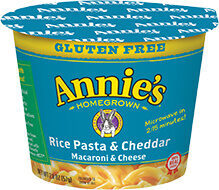
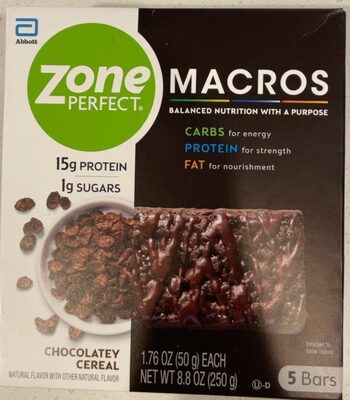
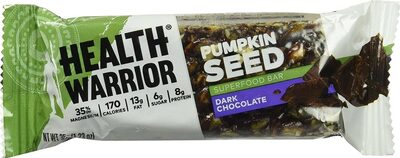
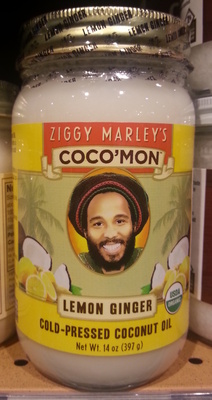
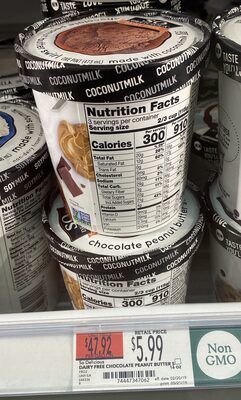
Foods that contain Organic Coconut Oil
Compare products →









Learn more
Auto-generated content. This description was generated automatically and is pending editorial review. Inaccuracies are possible. Found a mistake? Contact us.