Organic Cultured Unpasteurized Milk
What is Organic Cultured Unpasteurized Milk?
This ingredient is milk that has been fermented by beneficial bacteria, called cultures. It is not pasteurized, meaning it is not heated to kill bacteria. This process is used to make dairy products like cheese and yogurt.
Is Organic Cultured Unpasteurized Milk vegan?
No. Organic Cultured Unpasteurized Milk is animal-derived, so it is not vegan.
Is Organic Cultured Unpasteurized Milk a major allergen?
Milk is one of the 9 FDA major allergens.
What is Organic Cultured Unpasteurized Milk used for?
Manufacturers use cultured milk to create the characteristic tangy flavor and texture in products like cheese, yogurt, and sour cream.
Is Organic Cultured Unpasteurized Milk safe?
Organic cultured unpasteurized milk is considered a dairy product.
Why it's used
Manufacturers use cultured milk to create the characteristic tangy flavor and texture in products like cheese, yogurt, and sour cream. It also acts as a natural preservative by lowering the pH of the food.
Health notes
Organic cultured unpasteurized milk is considered a dairy product. The FDA has regulations regarding the sale of unpasteurized milk due to potential health risks from harmful bacteria. Organizations like JECFA and EFSA have evaluated various milk products and cultures. Evidence on the health benefits of consuming unpasteurized dairy products is mixed, with some studies suggesting potential benefits and others highlighting risks.
Allergen info
Milk is one of the 9 FDA major allergens. This ingredient is derived from milk.
Foods that contain Organic Cultured Unpasteurized Milk
Compare products →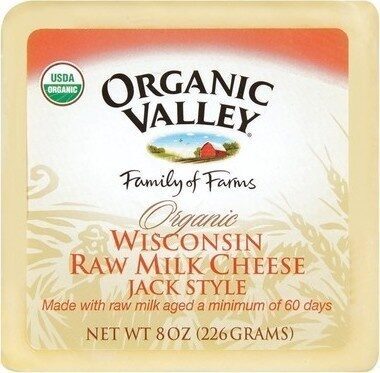 Cooperative Regions of Organic Producer Pools
Raw Jack Style Cheese, Raw Jack Style
High in saturated fat — 25% DV per serving
357kcal
25Protein
28.6Fat
0Carbs
Cooperative Regions of Organic Producer Pools
Raw Jack Style Cheese, Raw Jack Style
High in saturated fat — 25% DV per serving
357kcal
25Protein
28.6Fat
0Carbs
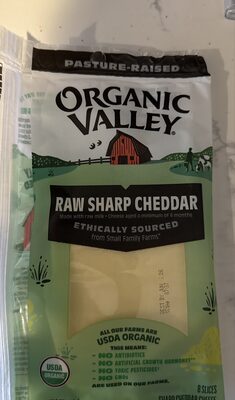 Cooperative Regions of Organic Producer Pools
Raw Sharp Cheddar Cheese Deli Slices, Raw Sharp Cheddar Cheese
High in saturated fat — 20% DV per serving
381kcal
23.8Protein
33.3Fat
4.8Carbs
Cooperative Regions of Organic Producer Pools
Raw Sharp Cheddar Cheese Deli Slices, Raw Sharp Cheddar Cheese
High in saturated fat — 20% DV per serving
381kcal
23.8Protein
33.3Fat
4.8Carbs
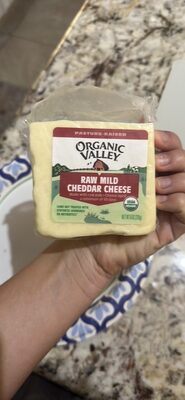 Cooperative Regions of Organic Producer Pools
Raw Mild Cheddar Cheese
High in saturated fat — 30% DV per serving
393kcal
25Protein
32.1Fat
0Carbs
Frontiere Natural Meats, LLC.
Jalapeno & Cheddar Cheese Organic Grass-Fed Beef Burgers
High in saturated fat — 35% DV per serving
High in cholesterol — 25% DV per serving
212kcal
17.7Protein
15.0Fat
0.9Carbs
Cooperative Regions of Organic Producer Pools
Raw Sharp Cheddar Cheese
High in saturated fat — 30% DV per serving
393kcal
25Protein
32.1Fat
0Carbs
Cooperative Regions of Organic Producer Pools
Raw Mild Cheddar Cheese
High in saturated fat — 30% DV per serving
393kcal
25Protein
32.1Fat
0Carbs
Frontiere Natural Meats, LLC.
Jalapeno & Cheddar Cheese Organic Grass-Fed Beef Burgers
High in saturated fat — 35% DV per serving
High in cholesterol — 25% DV per serving
212kcal
17.7Protein
15.0Fat
0.9Carbs
Cooperative Regions of Organic Producer Pools
Raw Sharp Cheddar Cheese
High in saturated fat — 30% DV per serving
393kcal
25Protein
32.1Fat
0Carbs
Learn more
Auto-generated content. This description was generated automatically and is pending editorial review. Inaccuracies are possible. Found a mistake? Contact us.