Organic Extra Virgin Olive Oil
Auto-generated content. This description was generated automatically and is pending editorial review. Inaccuracies are possible. Found a mistake? Contact us.
What it is
Organic extra virgin olive oil is the highest grade of olive oil, produced from the fruit of the olive tree (Olea europaea). It is made by mechanically pressing olives without the use of heat or chemicals, preserving its natural flavor, aroma, and nutritional qualities. The 'extra virgin' designation indicates it meets specific standards for purity and sensory characteristics.
Why it's used
Manufacturers use organic extra virgin olive oil primarily as a cooking oil and a flavorful ingredient. Its rich, fruity taste makes it ideal for salad dressings, marinades, finishing dishes, and sautéing. It is commonly found in pasta sauces, vegetable dishes, and soups.
Health notes
Organic extra virgin olive oil is generally recognized as safe (GRAS) by the FDA for use in food. It is a source of monounsaturated fatty acids and antioxidants, which are associated with potential cardiovascular benefits in peer-reviewed studies. JECFA has evaluated olive oil and established an acceptable daily intake.
Allergen info
Olive oil is not derived from any of the 9 FDA major allergens. It does not contain gluten.
Products containing Organic Extra Virgin Olive Oil
Compare products →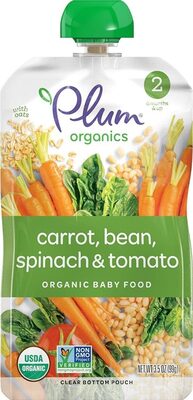 CAMPBELL SOUP COMPANY
Plum Stage2 Veg Blends Baby Food Carrot Spinach Bean
—kcal
2.0Protein
1.5Fat
9.1Carbs
FRESH & EASY
Marinara Sauce With Eggplant
40kcal
0.9Protein
0.9Fat
7.1Carbs
CAMPBELL SOUP COMPANY
Plum Stage2 Veg Blends Baby Food Carrot Spinach Bean
—kcal
2.0Protein
1.5Fat
9.1Carbs
FRESH & EASY
Marinara Sauce With Eggplant
40kcal
0.9Protein
0.9Fat
7.1Carbs
 TRADER GIOTTO'S
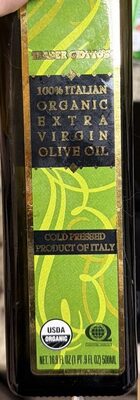
Extra Virgin Olive Oil
800kcal
0Protein
93.3Fat
0Carbs
AROGOS
Organic Extra Virgin Olive Oil
800kcal
0Protein
93.3Fat
0Carbs
SEASNAX
Crispy Seaweed Strips
300kcal
10Protein
15Fat
30Carbs
WHOLE FOODS MARKET
English Muffins
211kcal
8.8Protein
1.8Fat
42.1Carbs
TRADER GIOTTO'S
Extra Virgin Olive Oil
800kcal
0Protein
93.3Fat
0Carbs
AROGOS
Organic Extra Virgin Olive Oil
800kcal
0Protein
93.3Fat
0Carbs
SEASNAX
Crispy Seaweed Strips
300kcal
10Protein
15Fat
30Carbs
WHOLE FOODS MARKET
English Muffins
211kcal
8.8Protein
1.8Fat
42.1Carbs
 AGROMONTE
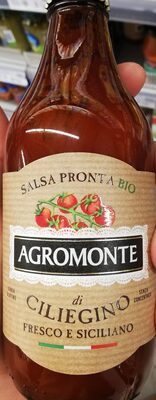
Organic Ready Pasta Sauce
64kcal
0.9Protein
2.7Fat
8.2Carbs
Red Gold
Tuttorosso Marinara Sauce 24oz
High in sodium — 21% DV per serving
55kcal
1.6Protein
2.3Fat
7.0Carbs
AGROMONTE
Organic Ready Pasta Sauce
64kcal
0.9Protein
2.7Fat
8.2Carbs
Red Gold
Tuttorosso Marinara Sauce 24oz
High in sodium — 21% DV per serving
55kcal
1.6Protein
2.3Fat
7.0Carbs